
That Magical Feeling
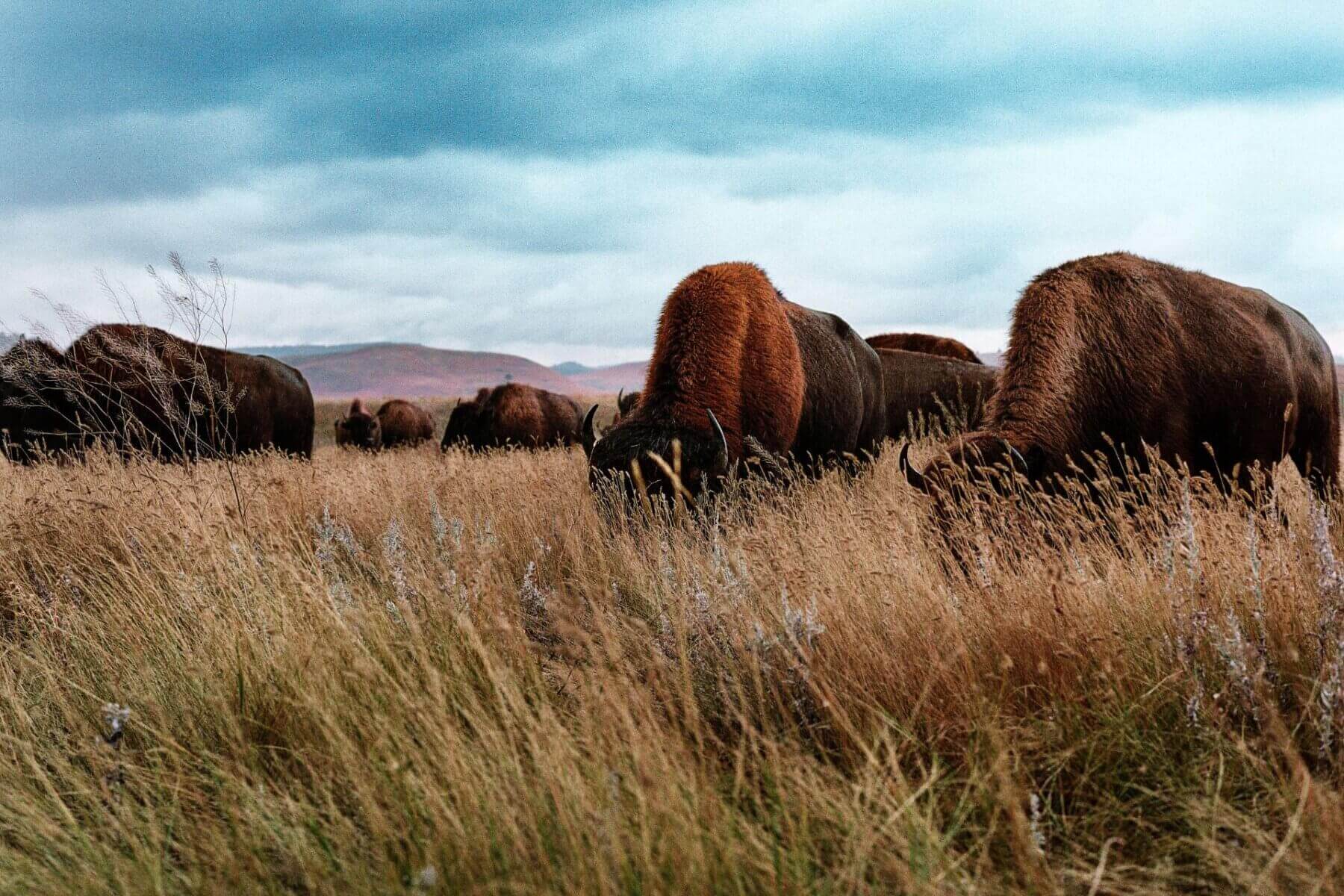
Michael Hulett was working at the Peter Fetterman Gallery in Santa Monica, collecting and dealing art when he envisioned a gallery space where he could bring his expertise in photography and curation experience back to his hometown of Tulsa, Oklahoma. His idea became reality when the The Hulett Gallery opened in 2022, featuring classic 20th-century and contemporary photographic works ranging from Ansel Adams and Garry Winogrand to more contemporary artists such as Noell Oszvald and Luigi Vegini.
With his lifelong appreciation for the history of 20th-century photography — the Hulett Collection’s first exhibit featured a timeline of Hulett’s photography collection spanning from 1920 to 2020 — it is no surprise that Hulett was interested in showing the work of Lisa Candela, a photographer who has rebelled against the digital movement and works strictly with analog photography.
Candela has worked with film cameras since her uncle gave her a camera that was made the year she was born, inspiring an instant connection to her new creative tool. She began her photography career when she moved to Los Angeles after graduating from The Art Institute of Dallas. Her friends were aspiring models, actors, and musicians, and they all needed headshots. “I practiced on all of them, my muses,” she says.
Her love for the photographic process led her to take classes at UCLA and pick up a job at Fleshtone Color Lab in Los Angeles. “You’re always learning as a photographer,” she says. “But that’s where I learned the most, because I got to handle some of the greats’ film, like Helmut Newton and Albert Watson.”
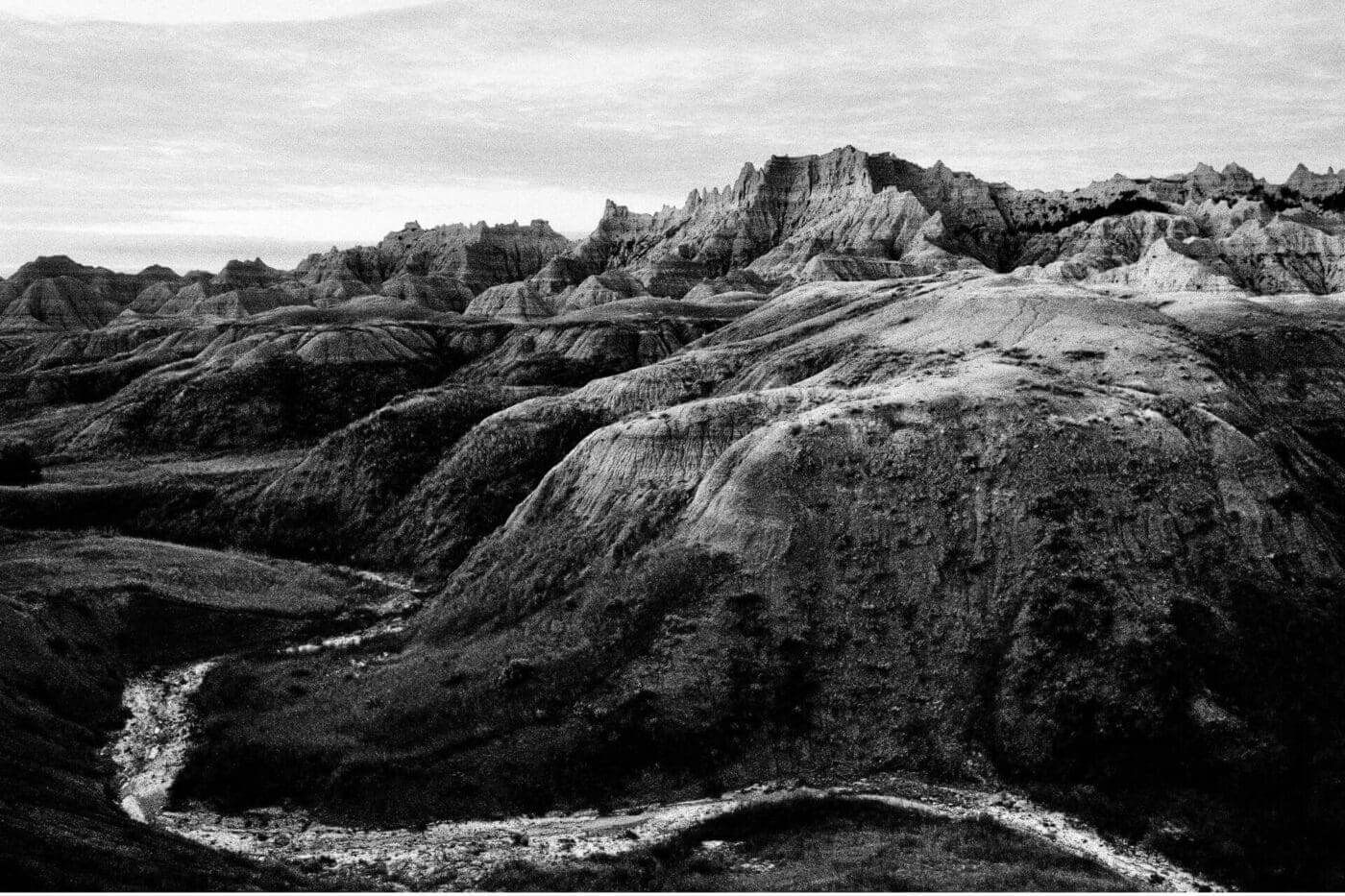
River formation tracing on Candela’s last day in the Black Hills, captured at sunrise. Photo by Lisa Candela © / Courtesy of The Hulett Collection
For most of her career, Candela focused on people. Then, she visited the Black Hills Wild Horse Sanctuary in South Dakota in 2013 — a trip that kindled a connection and inspiration for the land and beings. Candela challenged herself to shift away from the portrait photography she knew and embrace her connection to the land by bringing her film photography into the Black Hills.
In The Hulett Collection’s current exhibit, Heartlands, Candela showcases photography from those 2014 excursions into the South Dakota Black Hills, where she documented native wildlife that the local indigenous Lakota celebrate for their “healing medicines.”
The conversation below was edited for length and clarity.
***
Up until you decided to document Black Hills wildlife, your portfolio has been mainly portrait photography. How has the film photography process impacted the way you approach portraits?
I’m always drawn to the feminine. I shoot women and little girls. I’ve always done that throughout my photography. I’ve always been into little dancers, little ballerinas, the goddesses, and playing dress up. Those are my muses, friends that are either models or like to be in front of the camera. We just get together and play, really.
But now that I’m sitting on so many years of it, I’m seeing the importance of it. It’s had time to sit and accumulate and now it’s like a mound of gold that I wanna cash in on and start making money from all of this. I’ve always said that negatives and film are like wine. The longer they sit in the cellar, the better they get.
We’re so used to seeing our photo shoot right away because of the screens we have. Back in the day, you had to physically take the film to the lab process, get proof sheets, depending on the lab schedule. People had to wait until they saw their images, sometimes maybe like a week.
But there is something in that process when you have to wait and when you disconnect yourself from the shoot to letting all of that go, letting some time blow by stepping into a different place in your life. And then you come back and look at the images, you actually look at them differently. Then you let them sit longer and you really look at them differently.
Aside from the ability to let those photos sit and gain perspective while waiting, why is it so important for you to stick to analog photography in an increasingly digital world?
I have tried shooting digital and it’s like a feeling inside of me. It’s a palette, a taste. The difference between all grain and pixels is, all pixels are the same size and shape when you zoom in on them, which is why you get such crisp, clean, kind of flat images.
And for me, film is like putting on a vinyl record. It’s got that warm, crackly, imperfection. There’s depth of feel to it. There’s emotion, there’s layers. So it comes across differently, aesthetically to my eye and then to my gut, which is what I listen to when I shoot. How does this feel? Oh, this feels great. This feels beautiful. This feels fun. When I’m hitting the button, those feelings come across.
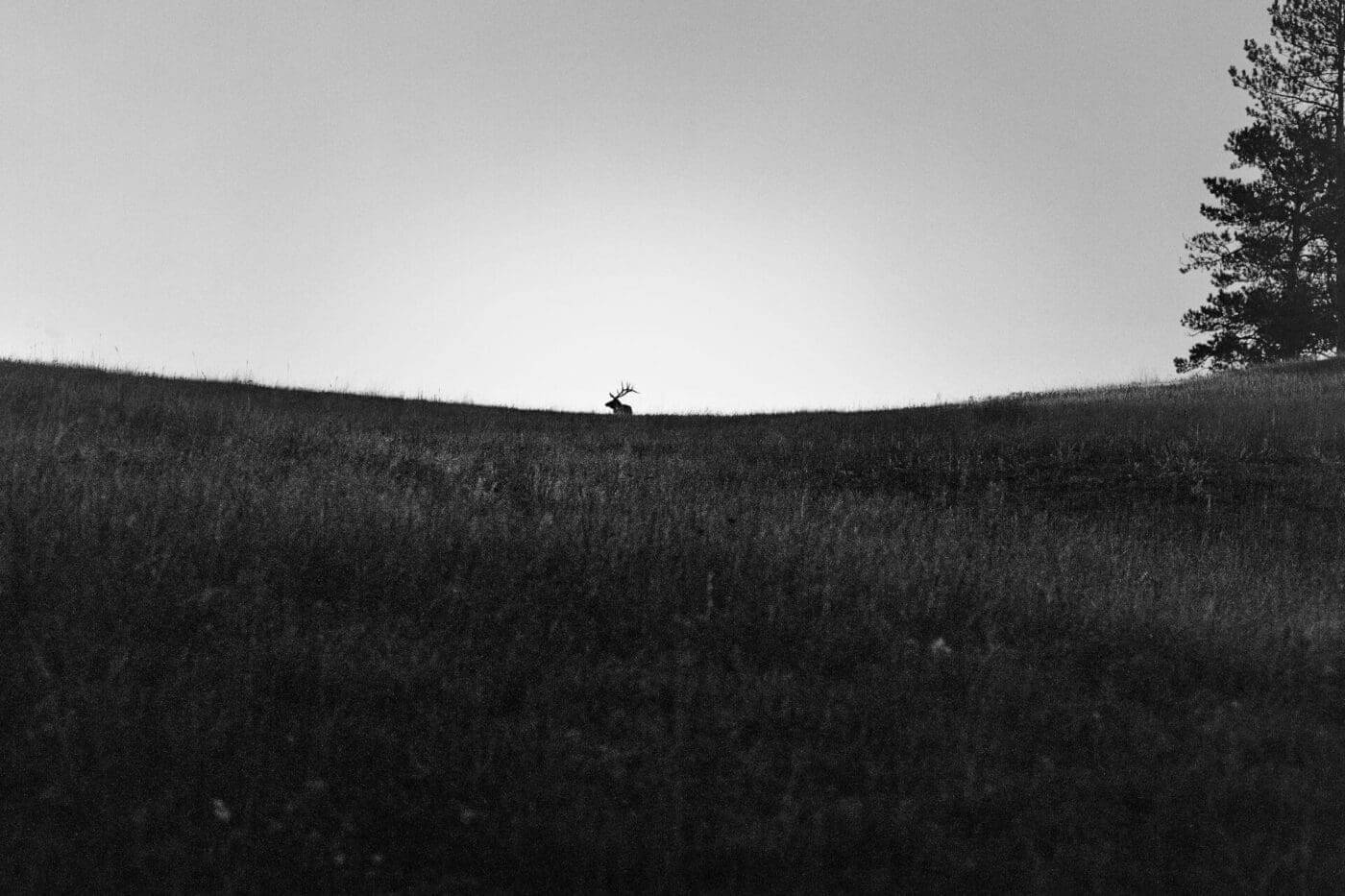
During her time photographing in Custer Park, Candela would go out with her camera at sunrise to look for bison. One morning, during mating season, she saw a herd of elk and listened as the males called towards the females. Photo by Lisa Candela © / Courtesy of The Hulett Collection
At the same time, because I am very set in my ways and extremist, black or white and stubborn, I do ultimately wanna find more of the gray. It would be nice maybe to practice more, maybe try different digital cameras, and give it a go every once in a while.
The tradition of original photography is even more ancient than me shooting film because back in the day they would shoot on glass plate negatives, and one picture was one development, and that’s all you got. You really had to know when to press the button. You had to know about your exposure. You had to get it perfectly, and you were doing it all manually. There wasn’t an app or a thing doing it for you. I feel like it connects you more — to the moment, to the magic you’re trying to create or envision.
You had to get it perfectly, and you were doing it all manually. There wasn’t an app or a thing doing it for you. I feel like it connects you more — to the moment, to the magic you’re trying to create or envision.
When trying to shoot digital, I found that I was connected more to the screen and looking at the image while I was shooting versus connecting with my subject matter. That’s the only way I know how to pull out of them like a director does to an actor, a photographer does to their muse. You need to connect with them and make eye contact and speak to them and express what you’re feeling or thinking or envisioning.
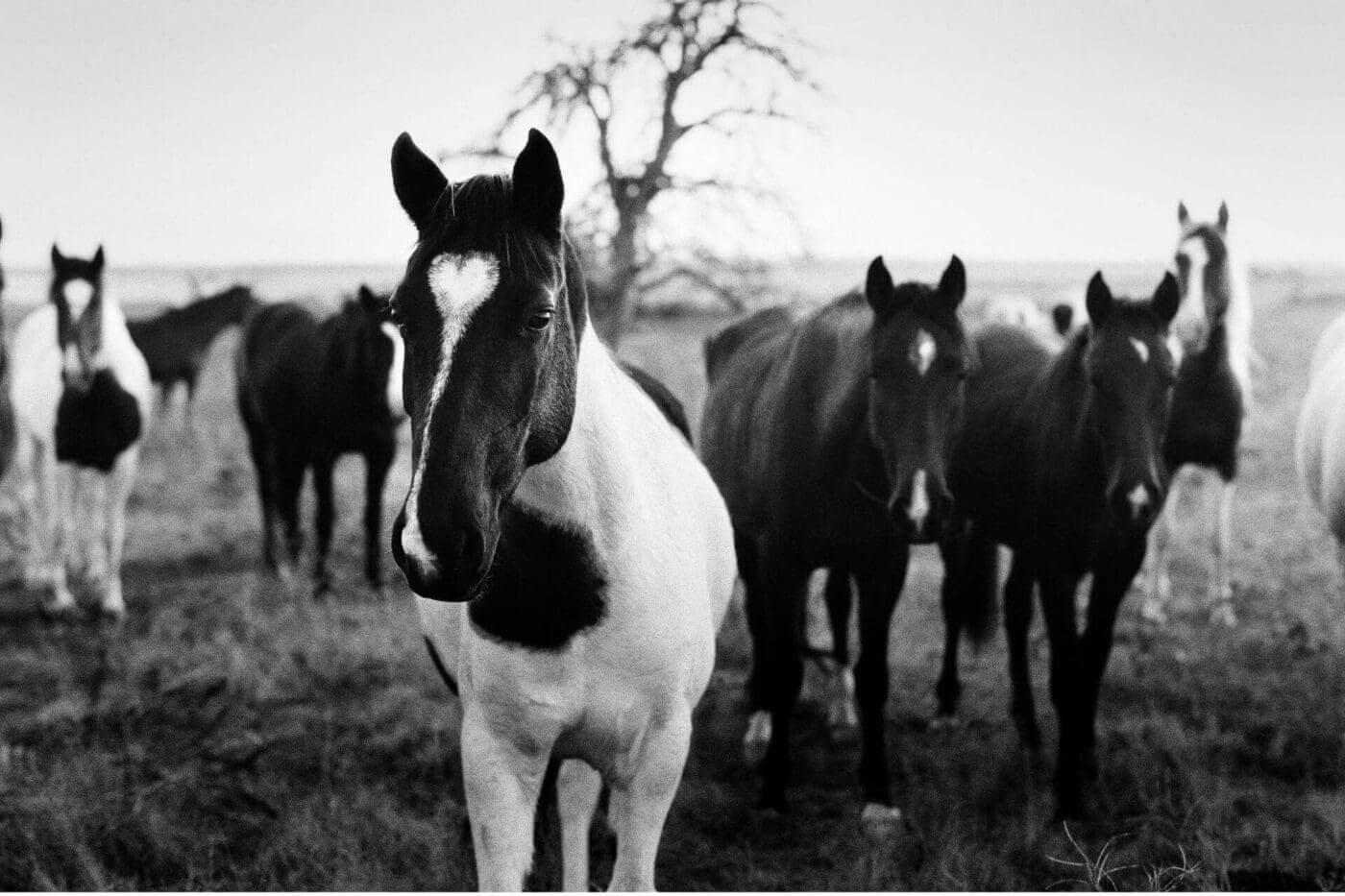
While roaming the 11,000 acres of the Black Hills Wild Horse Sanctuary at sunset, Candela came across this herd. The horse in the lead (with the heart on its forehead) was very curious and decided to approach her. Photo by Lisa Candela © / Courtesy of The Hulett Collection
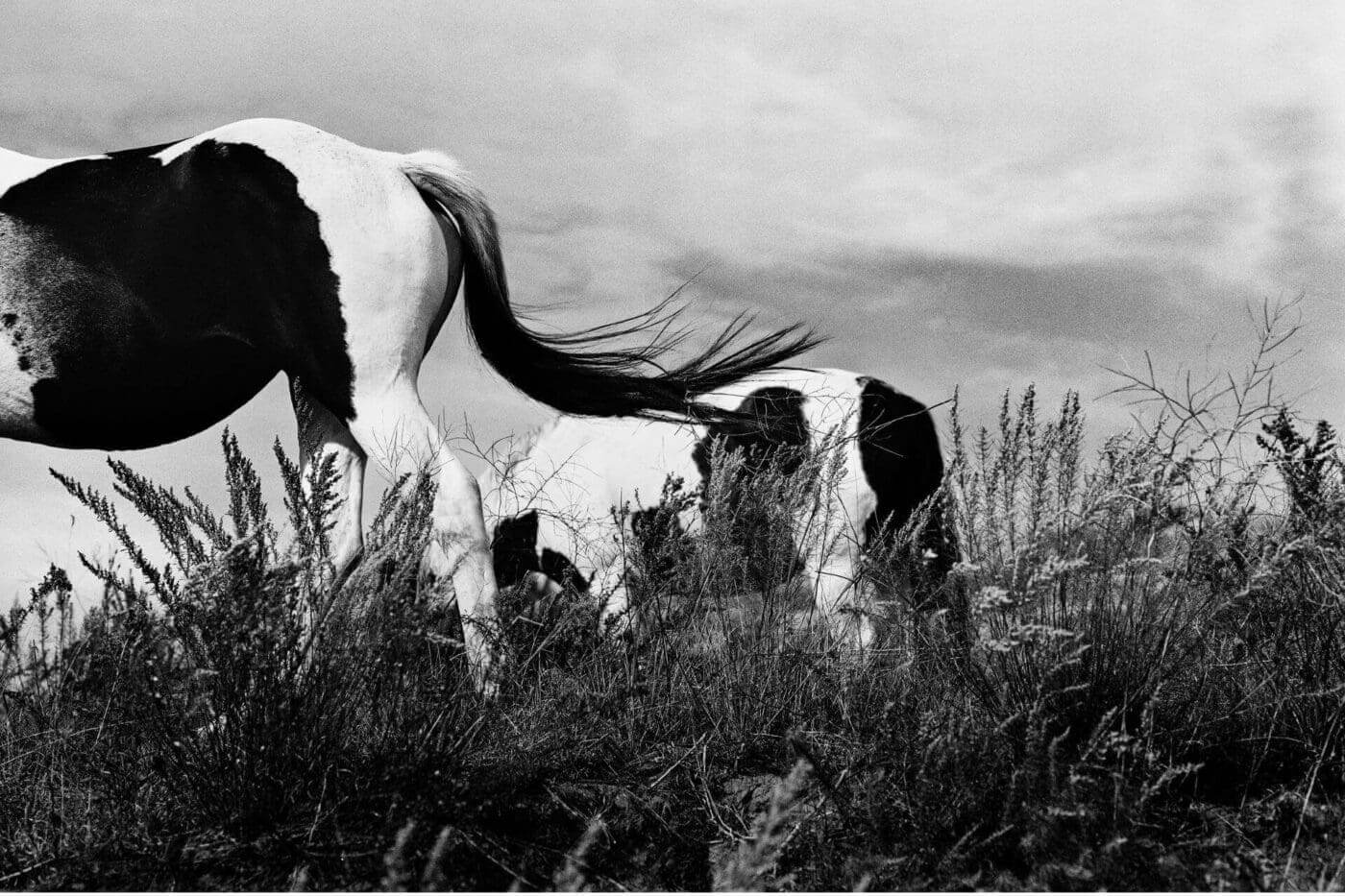
From the same herd on the same evening, Candela found that the wild horses were skittish, so she stood as still as possible while photographing this moment.
Photo by Lisa Candela © / Courtesy of The Hulett Collection
Do you think that connection that only film can provide has been essential in your shift to wildlife photography? Rather than just directing people, how do you feel that film helps you connect to the landscape?
This collection is my first attempt at switching up the subject matter. It is a whole different type of job and work and flow and rhythm. Working with a person you can communicate with and move them around and direct them versus being at the beck and call of the wildlife. You have to be sitting sometimes for a long time or waiting for that perfect light and that perfect moment where the elk crosses through the stream and so there is more patience involved with the wildlife, and I do love that.
When I moved to South Dakota, I went as much as I could for months, over years into this land that I love, the Black Hills, to photograph these majestic beings. I connected it with what I had learned about Native American history, and realized I was in a really magical spot.
With all the issues facing Native Americans, and seeing how racist it is there between White people and Native American people and seeing how they don’t get clean food and how their water is contaminated with uranium. I was like, what can I do with my talents to help them?
I just thought I could document their animals. These animals were their medicine. The bison was their abundance. The horse was their power. The elk was their stamina. It was the only way I knew how to get close to them or do something to represent them — by showing the power of their wild animals.
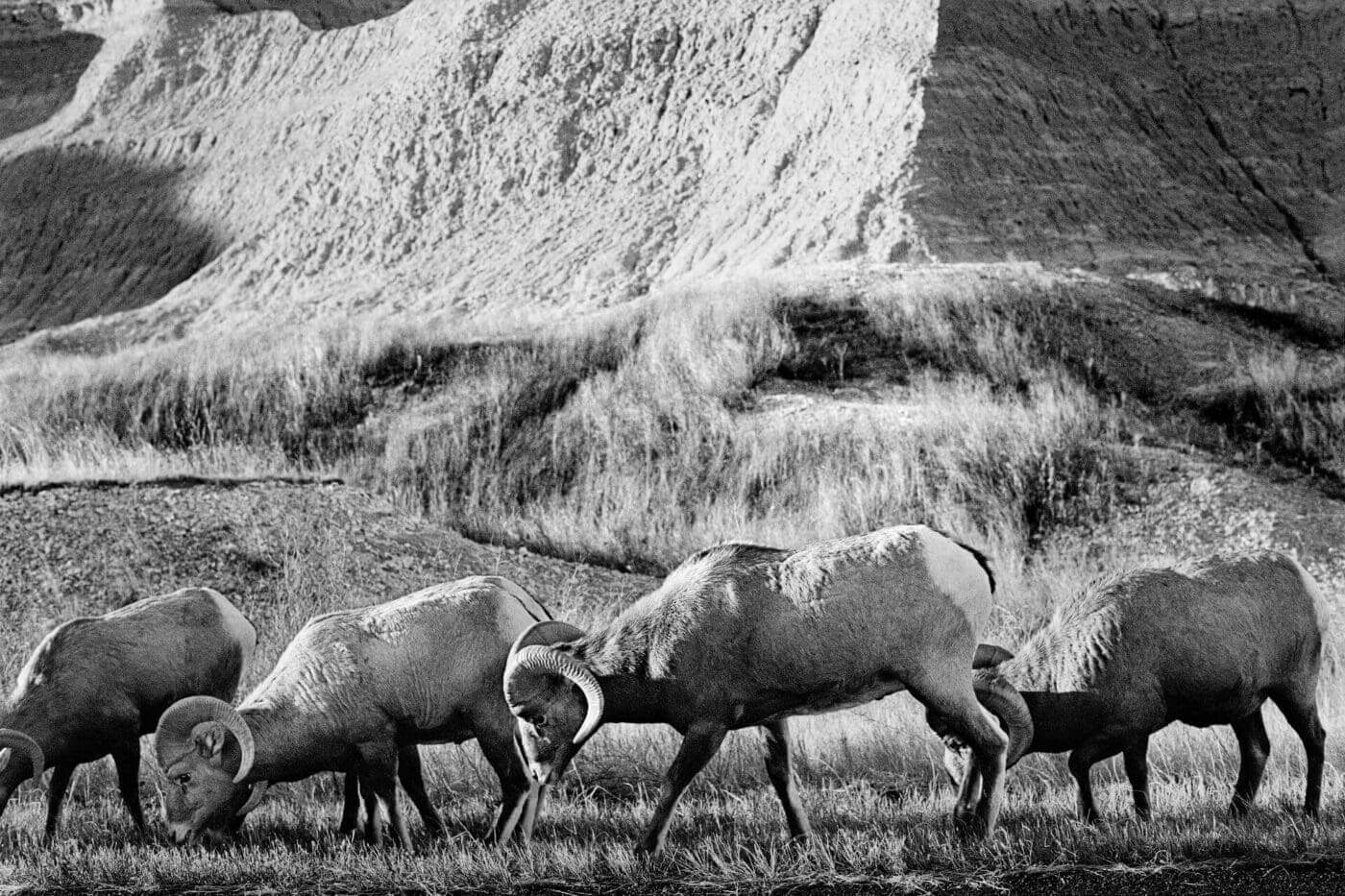
Bighorn sheep, known by locals and park rangers for their rare sightings, tend to stay far away from humans. However, on her last day of photographing in the Badlands, Candela rounded a corner and came across this flock. Photo by Lisa Candela © / Courtesy of The Hulett Collection
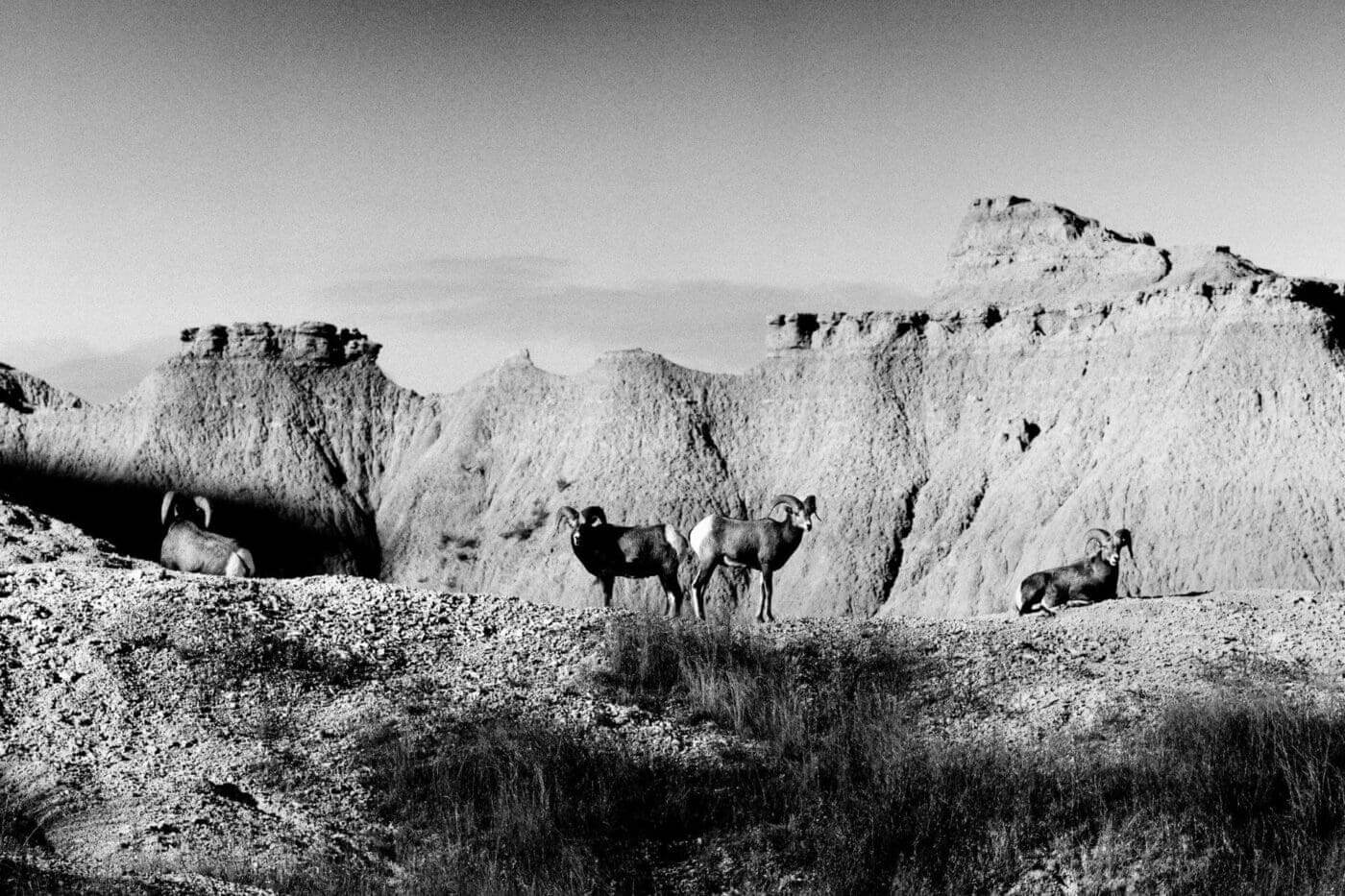
Despite their reputation, Candela was able to stay in proximity of the flock and photograph them for about an hour — an experience she describes as “magical.” Photo by Lisa Candela © / Courtesy of The Hulett Collection
Why did you find it important to document that side of the Lakota culture, capture these animals in their own habitats, and place those moments within a gallery space?
Because it’s important history. There’s only 800,000 people in the whole state of South Dakota. But here we have this insane amount of American history at Wounded Knee in the Black Hills. It was probably one of the last places where the Lakota held strong and fought the White man lying to them and taking their land.
They still have sacred earth that legally belongs to them, and they hold Sundance. They have their bands of wild mustangs and their bison. All of that still exists and people don’t really know it.
Was the longing to be more in tune with the earth and the land around you a motivation for you to shift focus from portraits to landscapes?
One hundred percent. There’s difficulty with people, especially people that love to be in front of the camera. You can sometimes have very self-involved egos or entitlement. You don’t deal with any of that with animals. You’re just studying them and observing them and capturing their grace and beauty. It’s mystical.
You’re just studying them and observing them and capturing their grace and beauty. It’s mystical.
Do you still develop your own film?
I don’t personally, but that’s the dream. When I am able to buy my own home, I want to build a little dark room.
Most of my film hasn’t been seen because it’s expensive to scan your negatives and do all of that work. But I’m at the point where that’s my savings account — I’m seeing it as that — and my goals are making books, having exhibits and selling the works that I already have.
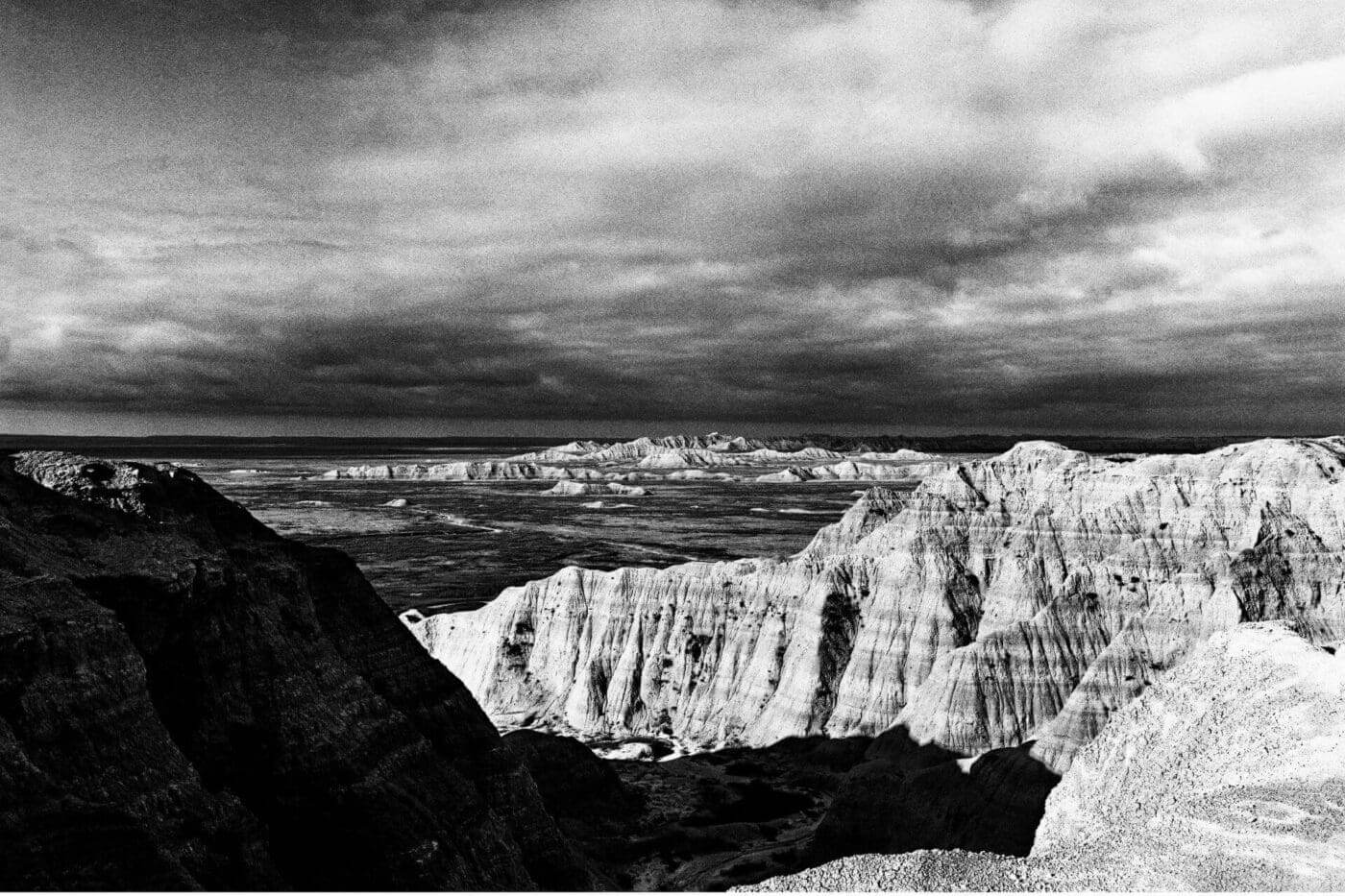
The Badlands, once a hub for traveling tribes and the location of a variety of spiritual practices, seen at sunrise on the last day of Candela’s journey, moments before she came across a rarely spotted flock of bighorn sheep. Photo by Lisa Candela © / Courtesy of The Hulett Collection
Could you walk me through a little bit of what was your process in selecting the specific photos you chose to include in the Heartland collection?
I went to Tulsa, where [The Hulett Collection] is located. Michael Hulett and I did a deeper edit into all of my archives of the heartlands, all the images I’ve shot. He selected them, which I found was such a relief to have that extra set of eyes that are professional.
The ones he selected, maybe 20 new images, are all his choices. Funny enough, his choices were similar to choices I had marked on the proof sheets back in the day.
When I’m editing, the picture kind of calls at me. It’s just a feeling, like I said. The composition, the exposure, and the framing has to be good. And when you get it all in that one shot, that’s the one that feels good to you to select, you know?
That’s how you select it, it’s a feeling.
***
View Lisa Candela’s Heartlands on display at The Hulett Collection until August 26, 2023, or view the exhibit online here.
Help us sustain independent journalism...
Our team is working hard every day to bring you compelling, carefully-crafted pieces that shed light on the pressing issues of our time. We rely on caring supporters like you to help us sustain our mission. Your support ensures that we can continue to provide deeply-reported, independent, ad-free journalism without fear, favor or pandering. Support us today and make a lasting investment in the future.
RELATED STORIES


Award Winning


Today’s environmental and social justice challenges are unprecedented, and require an unprecedented collective effort.


Stay updated on our latest features, events and more. Subscribe to our Note From the Nest newsletter!
