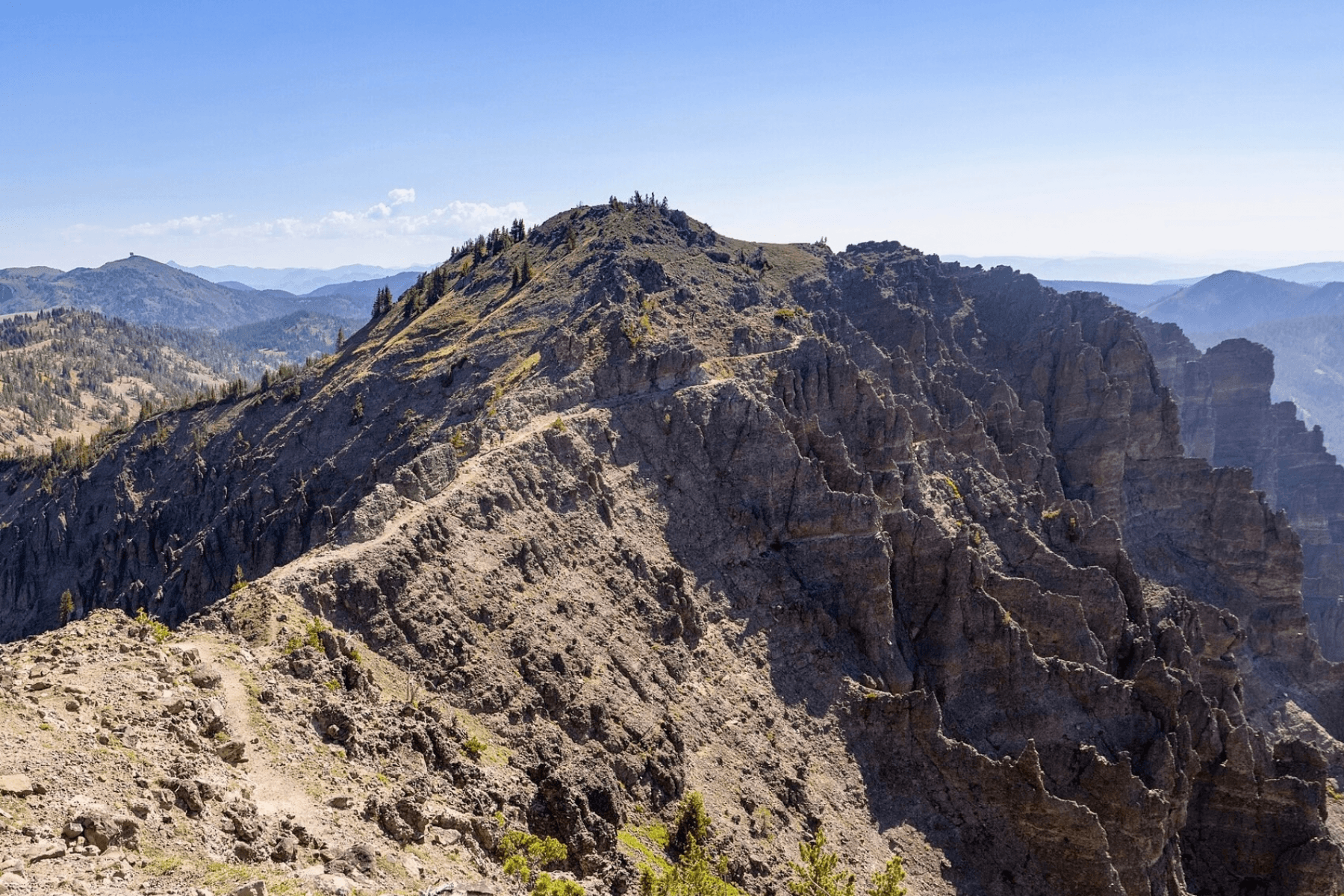
Activists are divided over the future of Montana's Gallatin Range, and their movement
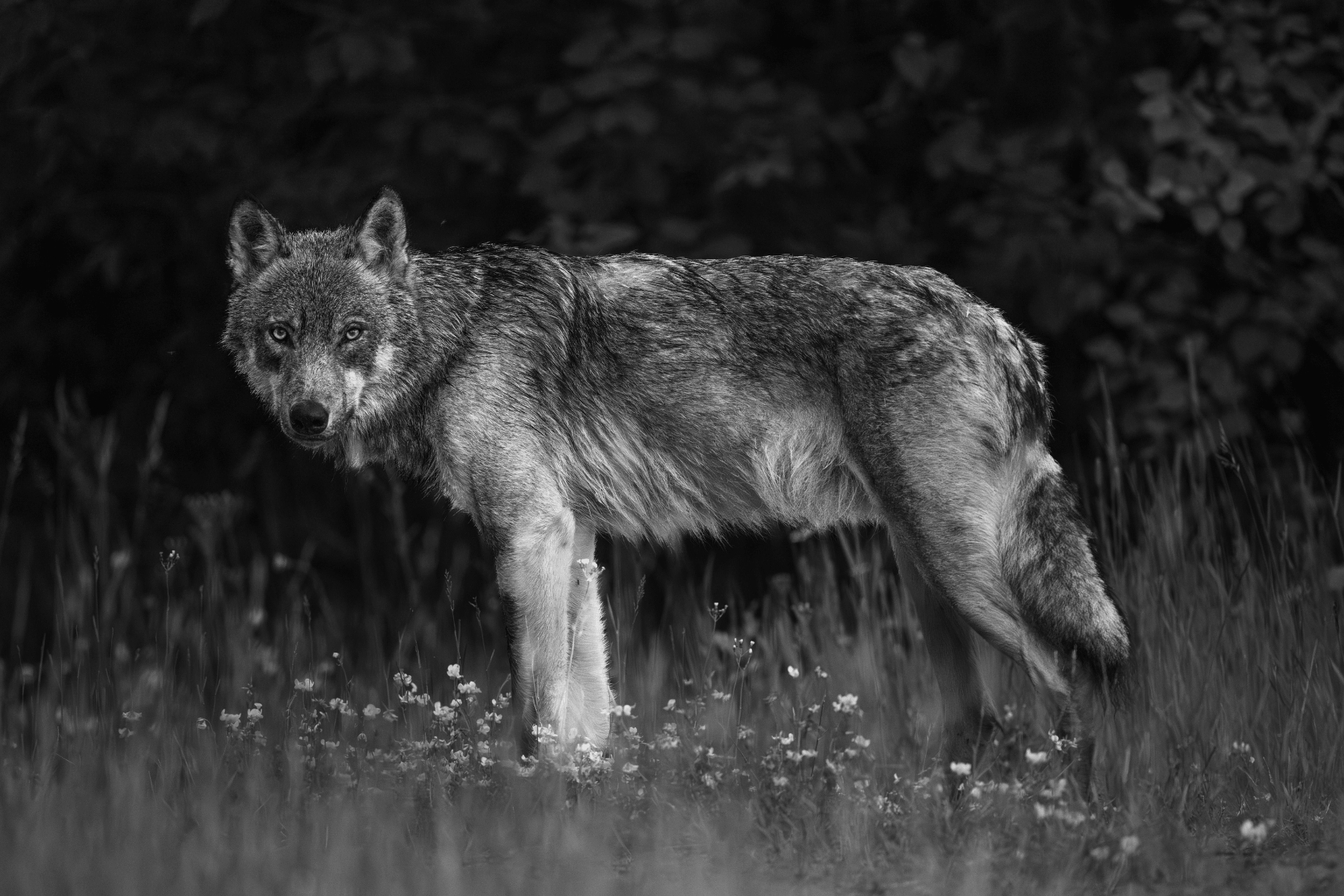
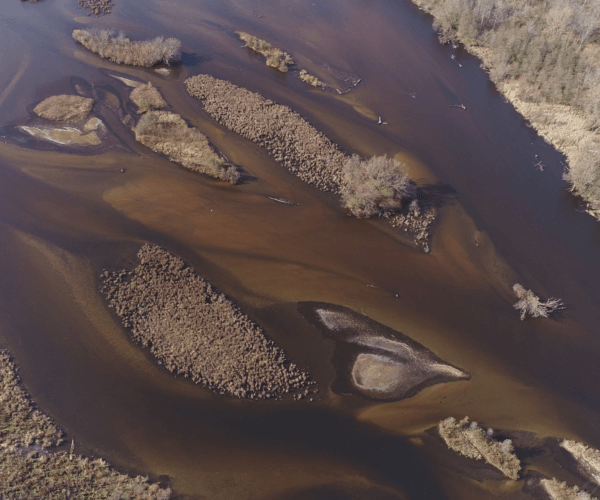
The future remains uncertain after decades-long attempts to manage wolves and moose on Isle Royale
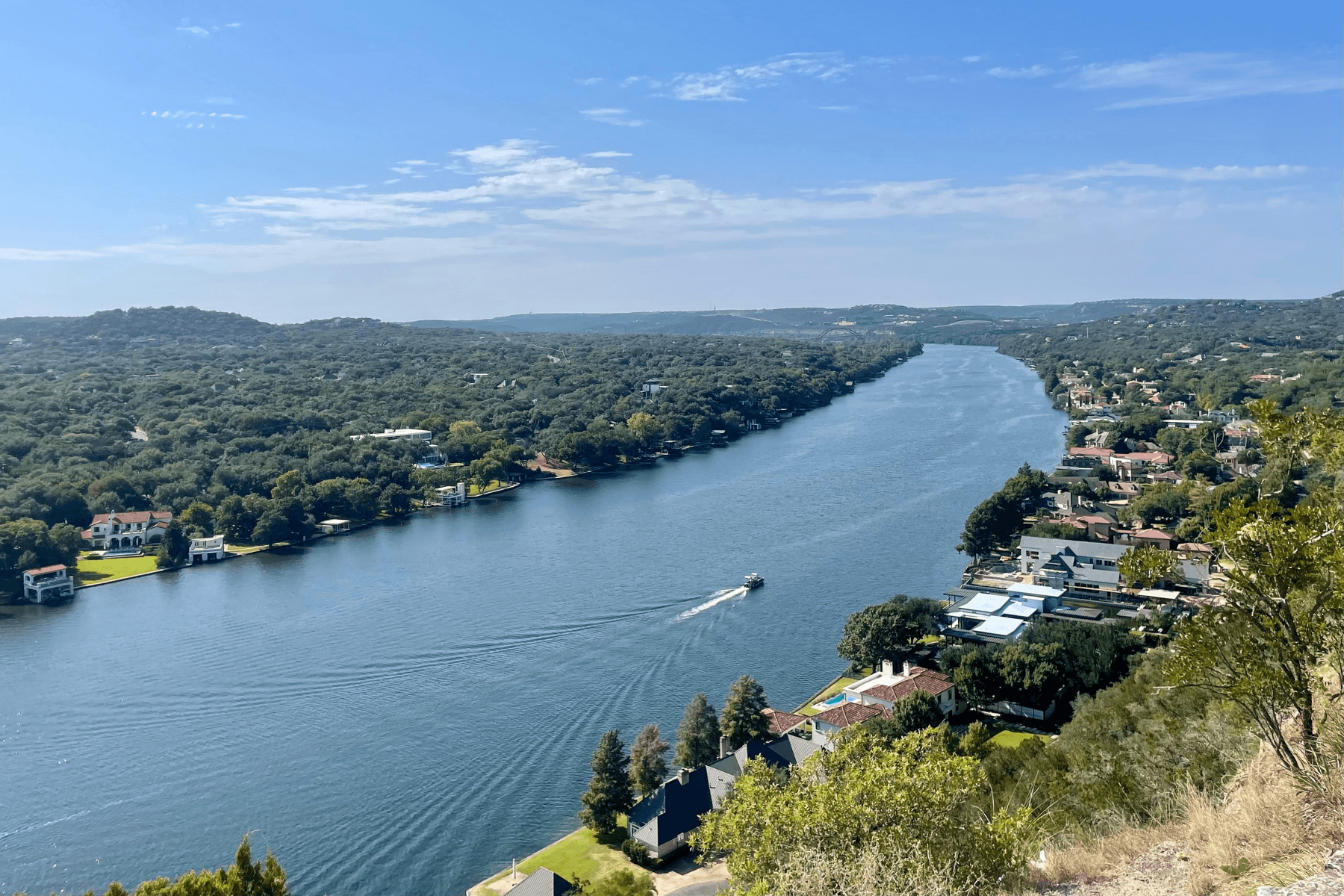
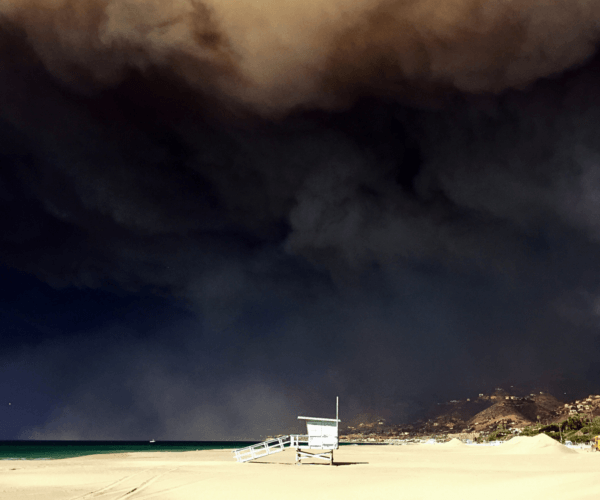
How Austin and other cities are trying not to be the next Corpus Christi
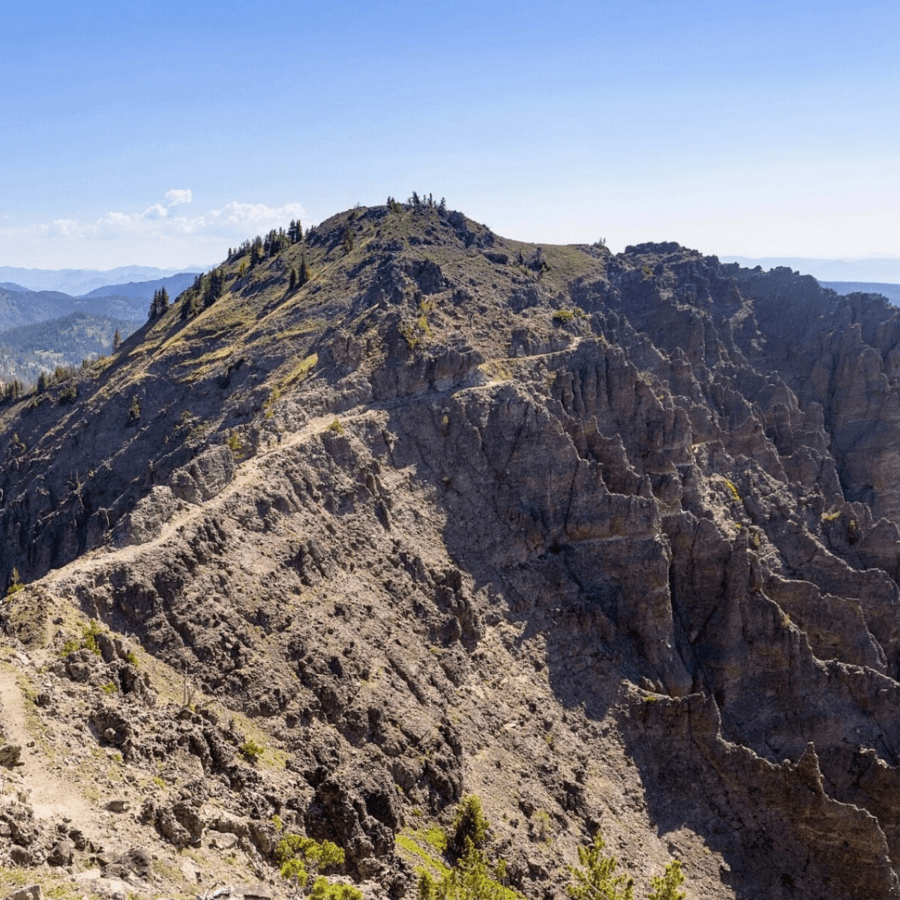
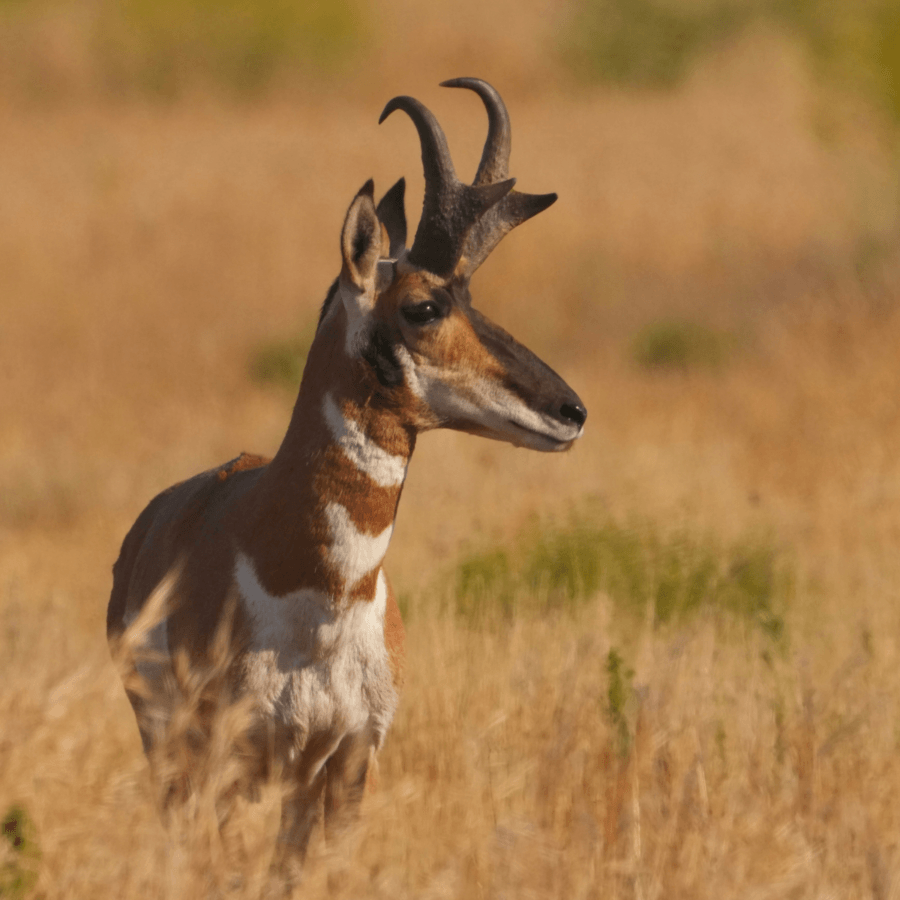
Activists are divided over the future of Montana's Gallatin Range, and their movement
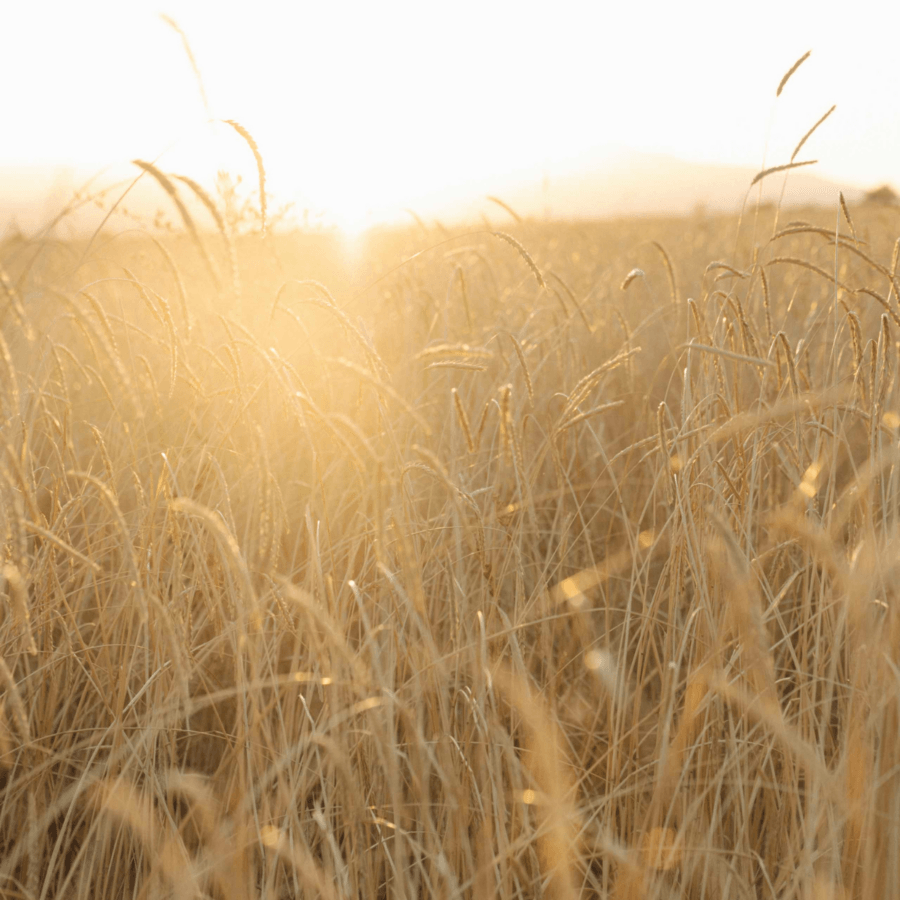
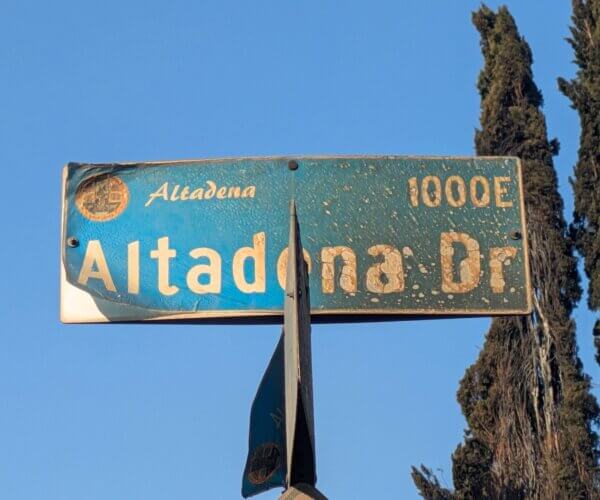
Can Sherry Mandell and the Tehachapi Grain Project grow the future of farming?
By Dean Kuipers
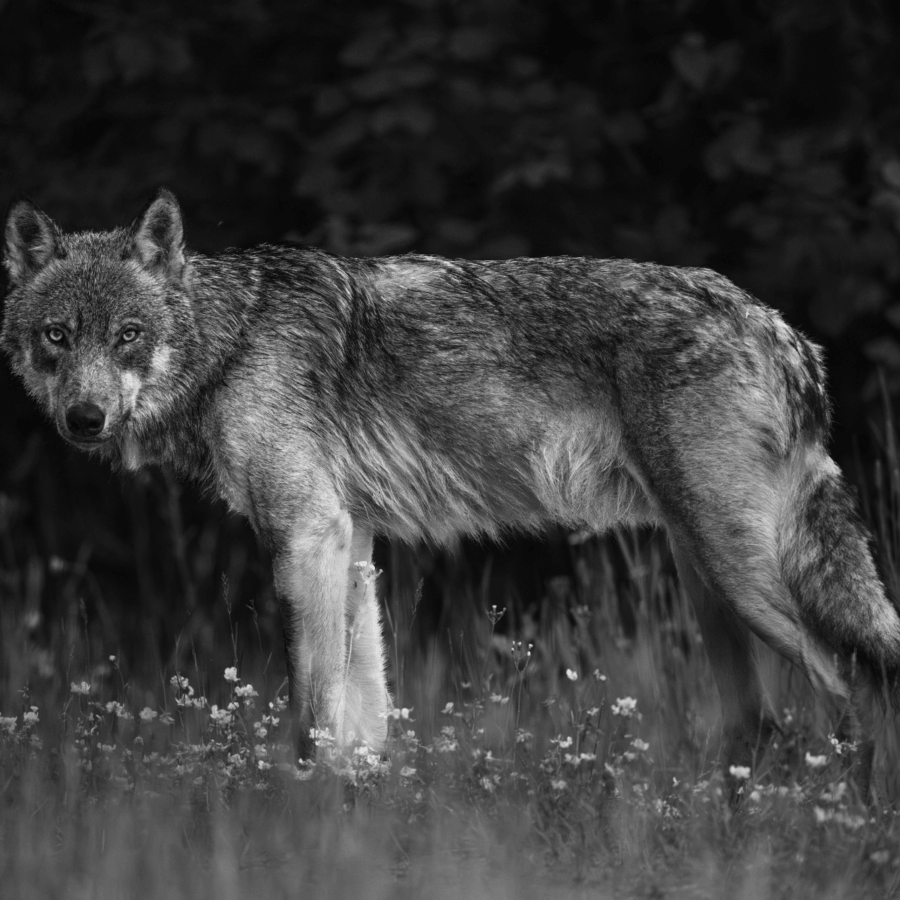
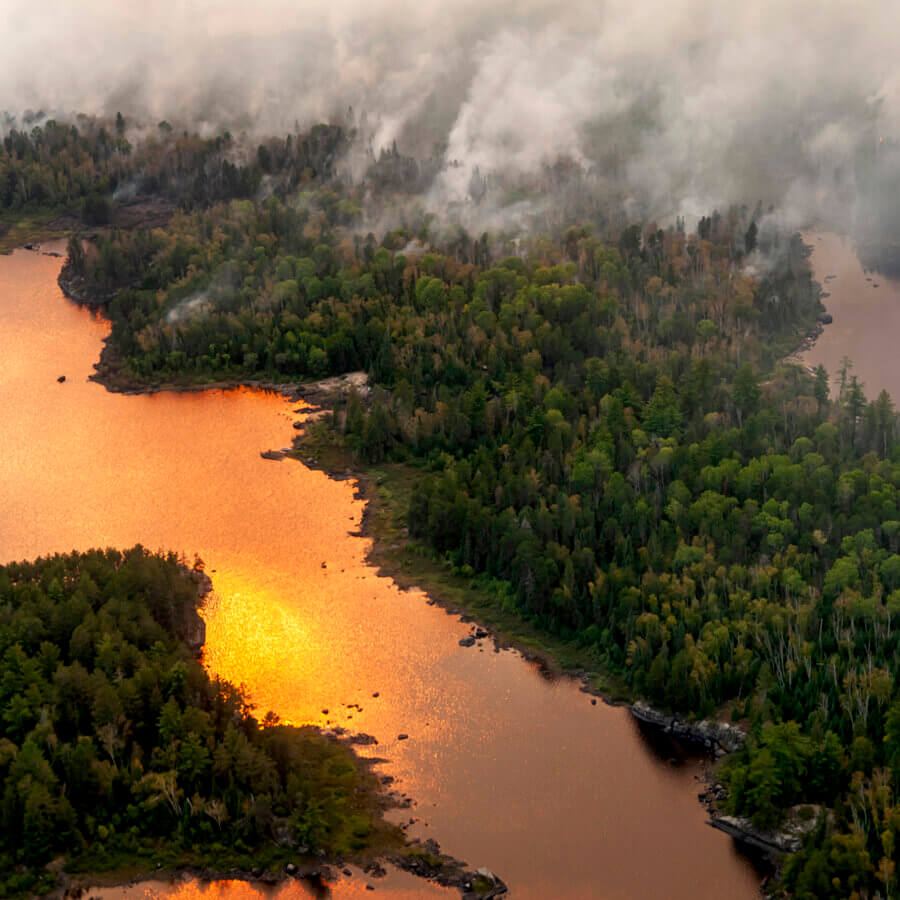
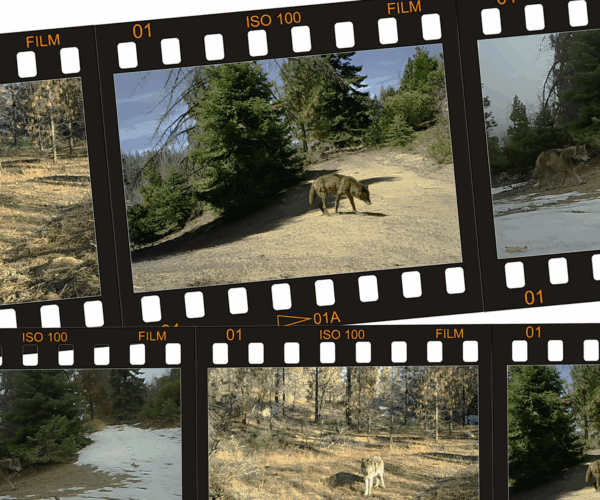
The future remains uncertain after decades-long attempts to manage wolves and moose on Isle Royale
By Mark Neuzil
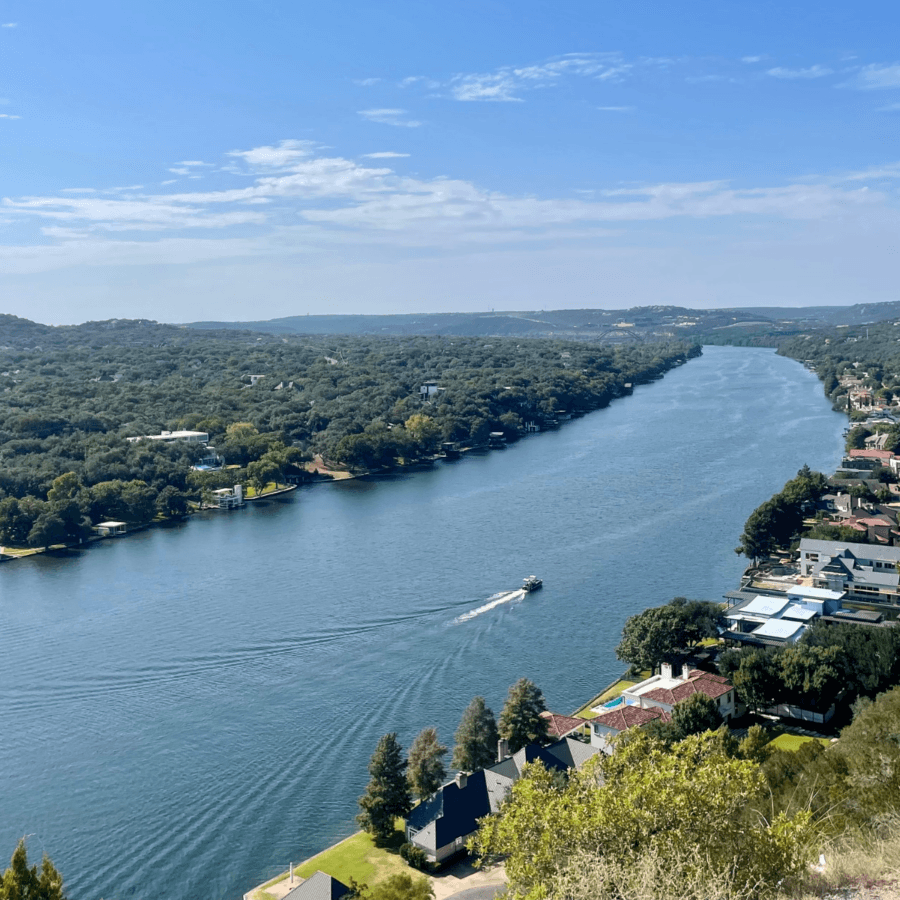
How Austin and other cities are trying not to be the next Corpus Christi
By Piper Guinn
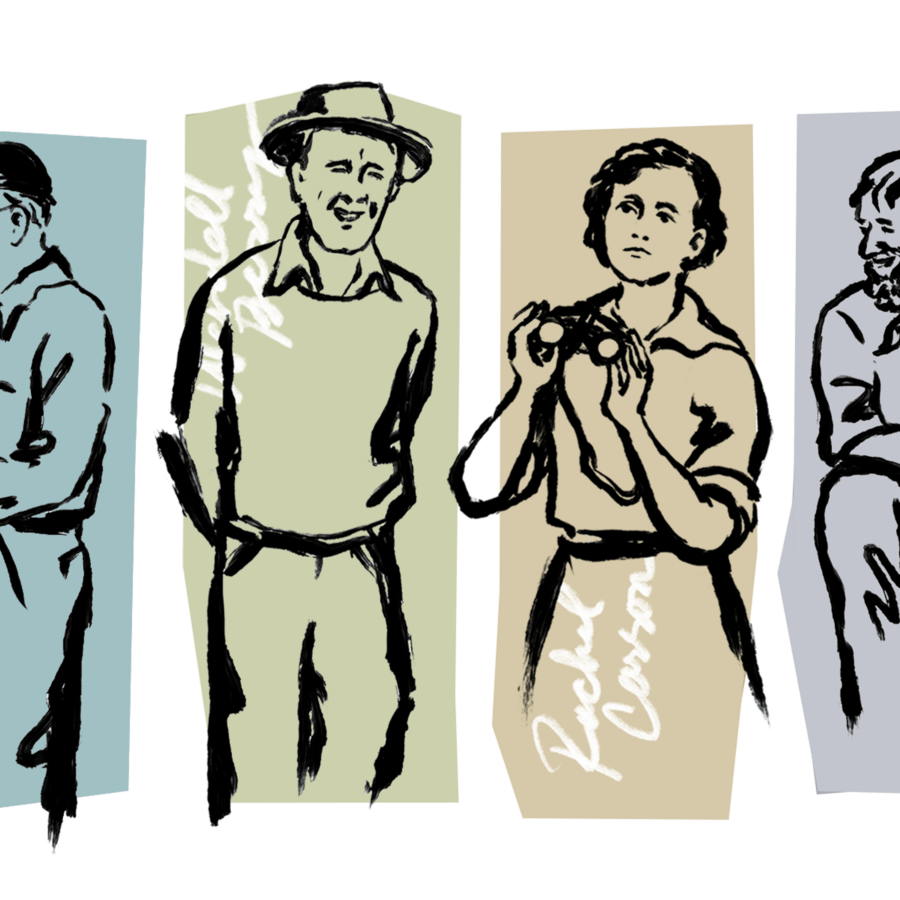
The environmental movement faces a big post-Carson question
By Chris Barton
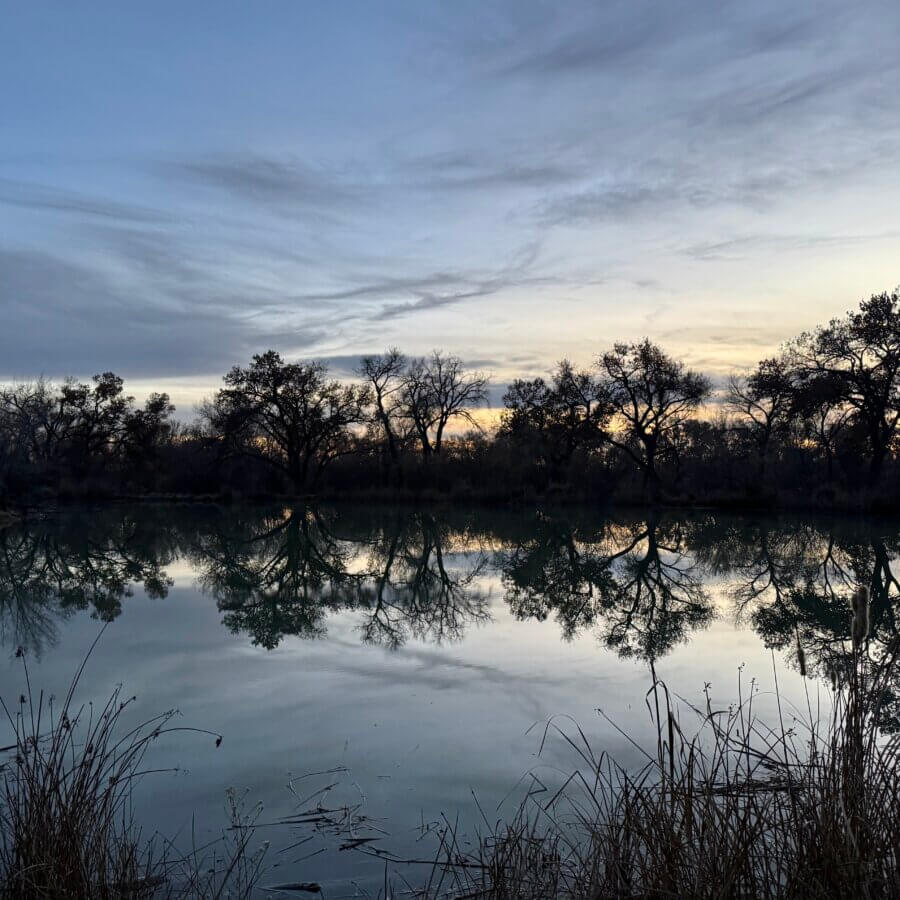
The Rio Grande is the lifeblood of New Mexico. What’s in it should alarm all New Mexicans

Red Canary Magazine is an independent publication edited by award-winning journalist and writer Joe Donnelly. The publication is committed to difference-making work focused on urgent environmental and social issues.
Today’s environmental and social justice challenges are unprecedented, and require an unprecedented collective effort.

Stay updated on our latest features, events and more. Subscribe to our Note From the Nest newsletter!

By Tony Barnstone

By Rosie O'Donnell

By Sarah Gait
By Daniel Donaghy

By Rachel Resnick

By Greg Blake Miller
By Tony Barnstone

By Dean Kuipers

By David Pollack

By Kathleen Hellen

By Jim Natal

By Greg Blake Miller

By Mark Irwin

By Suzanne Roberts

By Maurya Simon

By Lisa Teasley

By Bob Sipchen

By Charles Harper Webb

By Mary Fitzpatrick

By Jennifer Clement

By Ingrid L. Taylor

By Greg Blake Miller

By Lynne Thompson

By Douglas Manuel
By Brian Turner

By Greg Blake Miller

By Beau Coursen

We publish deeply reported journalism focusing on environmental, sustainability and social justice issues. Our goal is to bring you difference-making work that provokes discussions, inspires reflection and speaks to the times with stories that prove timeless.
PUBLISHER
Tracy McCartney
EDITOR-IN-CHIEF
Joe Donnelly
MANAGING EDITOR
Phuong-Cac “PC” Nguyen
CONTENT CREATOR
Sam Slovick
ART DIRECTOR
Nancy Hope
CONTRIBUTING EDITORS
Erin Aubry Kaplan
Tony Barnstone
SOCIAL MEDIA INTERN
Paige Meyer-Draffen
Follow. Like. Share. @redcanarymagazine
🏆️ AWARD RECOGNITION 🏆️
Red Canary Magazine is honored to be a finalist in two spots for the Los Angeles Press Club 19th National Arts & Entertainment Journalism (NAEJ) Awards:
🍃 Books | Literature Critic—
Benedict Cosgrove, “The Breath of Gods,” “Crucible,” “Green Crime"
🍃 Poetry—Dr. Tony Barnstone, “The Wild Delight of Wild Things”
Thank you to our contributors, readers, and community whose support makes this work possible at a time when rigorous, independent journalism is more vital than ever.
Red Canary Magazine is an independent nonprofit publication exploring the environment, sustainability, social policy, and the culture around them.
Through fearless journalism, essays, photography, art, fiction, literature, and poetry, we bring deeply human stories to a national audience—holding power accountable, amplifying voices for environmental and social justice, and building a more informed, compassionate society.
No paywall. No ads. No compromise.
Tune in and support us on Sunday, December 6th during the LA Press Club 19th National Arts & Entertainment Journalism (NAEJ) Awards ceremony!

Today we’re kicking off our NewsMatch campaign at Red Canary Magazine!
NewsMatch is a nationwide campaign to support independent nonprofit news — a cause that has never been more critical.
Here’s how it works: NewsMatch will match your new monthly donation 15 times or double your one-time gift, all up to $1,000 per donor.
You’ve seen how we bring depth and humanity to stories about our planet and the people fighting to protect it.
Your support allows us to highlight communities confronting environmental crises, showcase the innovators leading solutions, and celebrate the everyday people shaping a more sustainable and just future.
Will you make a gift today and double your impact? Link in bio now!
🌍 RECENT ARTICLE 🌍
A golden canyon, a wild river, and a tiny pool of tadpoles high above the Deschutes. In “Beautiful Illusions,” Haley Campbell reflects on shifting baseline syndrome: the way we accept the environment we first encounter as “normal,” even when it has already been altered.
On the lower Deschutes, beauty and change exist side by side. Salmonflies hatch, ospreys dive, and bats fill the dusk sky, while dams, water management, climate pressure, and competing human needs continue to shape the river. The tadpoles offer a powerful lesson: nature can adapt, but not every ecosystem can keep up with sudden change.
By Haley Campbell. Photos by Haley Campbell. Video by Paige Meyer-Draffen. Read more at the link in bio.
🌍 NEW ARTICLE 🌍
"[Tom] Ross, hiking partner Loren Miles, and I are perched on a 9,900-foot ridge near the geographic center of the Gallatin Range. The range’s summits are covered in October snow, its drainages in Engelmann spruce. The mountains rise from our vantage point, snaking around the basin and blocking our view of Bozeman, the 59,000-person city 50 miles north. Behind us is a wooden signpost letting us know that we’ve left Yellowstone National Park and entered one of the most contested parcels of public land in the country, the Hyalite-Porcupine-Buffalo Horn Wilderness Study Area.
Ross and Miles are both in their seventies, lifelong adventurers and self-described “capital ‘W’ wilderness guys.” Miles wears a full white beard and a pack sewn with patches; Ross has a clean-shaven face and atop his head is a beanie emblazoned with the logo of Wild Montana, the nonprofit they both volunteer with. The pair have led me here to convince me of their organization’s vision for the landscape in front of us. At times, they seem to be talking themselves into it as well.
Areas designated as wilderness by Congress are protected by the nation’s strictest environmental law. They have no commerce—no mining, no drilling, no logging, no agriculture—and limited recreation: no cars, ATVs, snowmobiles, or even bicycles. Unlike most national parks, they have no roads and no permanent structures. Activists speak of them with religious zeal. Many scientists call them the gold standard in preservation. Congress, however, has largely stopped designating them."
“When is a Mountain Range a Wilderness?” By Matthew Morris. Photos by Matthew Morris and U.S. National Park Service. Video by Paige Meyer-Draffen.
Read more at the link in bio.
🌍 NEW ARTICLE 🌍
"[Tom] Ross, hiking partner Loren Miles, and I are perched on a 9,900-foot ridge near the geographic center of the Gallatin Range. The range’s summits are covered in October snow, its drainages in Engelman spruce. The mountains rise from our vantage point, snaking around the basin and blocking our view of Bozeman, the 59,000-person city 50 miles north. Behind us is a wooden signpost letting us know that we’ve left Yellowstone National Park and entered one of the most contested parcels of public land in the country, the Hyalite-Porcupine-Buffalo Horn Wilderness Study Area.
Ross and Miles are both in their seventies, lifelong adventurers and self-described “capital ‘W’ wilderness guys.” Miles wears a full white beard and a pack sewn with patches; Ross has a clean-shaven face and atop his head is a beanie emblazoned with the logo of Wild Montana, the nonprofit they both volunteer with. The pair have led me here to convince me of their organization’s vision for the landscape in front of us. At times, they seem to be talking themselves into it as well.
Areas designated as wilderness by Congress are protected by the nation’s strictest environmental law. They have no commerce—no mining, no drilling, no logging, no agriculture—and limited recreation: no cars, ATVs, snowmobiles, or even bicycles. Unlike most national parks, they have no roads and no permanent structures. Activists speak of them with religious zeal. Many scientists call them the gold standard in preservation. Congress, however, has largely stopped designating them."
“When is a Mountain Range a Wilderness?” By Matthew Morris. Photos by Matthew Morris and U.S. National Park Service.
Read more at the link in bio.
🌍 NEW ARTICLE 🌍
"[Tom] Ross, hiking partner Loren Miles, and I are perched on a 9,900-foot ridge near the geographic center of the Gallatin Range. The range’s summits are covered in October snow, its drainages in Engelman spruce. The mountains rise from our vantage point, snaking around the basin and blocking our view of Bozeman, the 59,000-person city 50 miles north. Behind us is a wooden signpost letting us know that we’ve left Yellowstone National Park and entered one of the most contested parcels of public land in the country, the Hyalite-Porcupine-Buffalo Horn Wilderness Study Area.
Ross and Miles are both in their seventies, lifelong adventurers and self-described “capital ‘W’ wilderness guys.” Miles wears a full white beard and a pack sewn with patches; Ross has a clean-shaven face and atop his head is a beanie emblazoned with the logo of Wild Montana, the nonprofit they both volunteer with. The pair have led me here to convince me of their organization’s vision for the landscape in front of us. At times, they seem to be talking themselves into it as well.
Areas designated as wilderness by Congress are protected by the nation’s strictest environmental law. They have no commerce—no mining, no drilling, no logging, no agriculture—and limited recreation: no cars, ATVs, snowmobiles, or even bicycles. Unlike most national parks, they have no roads and no permanent structures. Activists speak of them with religious zeal. Many scientists call them the gold standard in preservation. Congress, however, has largely stopped designating them."
“When is a Mountain Range a Wilderness?” By Matthew Morris. Photos by Matthew Morris and U.S. National Park Service. Video by Paige Meyer-Draffen.
Read more at the link in bio.
🏆️ AWARDS FINALIST 🏆️
Red Canary Magazine is a FINALIST in this year’s ANTHEM AWARDS!
This recognition is reflective of the beautiful work of our team and contributors, though we want to highlight our special thanks to our Art Director Nancy Hope.
Nancy has been a vital part of our team from the very beginning as our website and brand designer, and a frequent contributor/illustrator.
Thank you, @Nancyhopestudios!
#anthemawards #anthemawards2026 #independentjournalism #redcanarymagazine #supportjournalism #environmentaljournalism
🌍 NEW ARTICLE 🌍
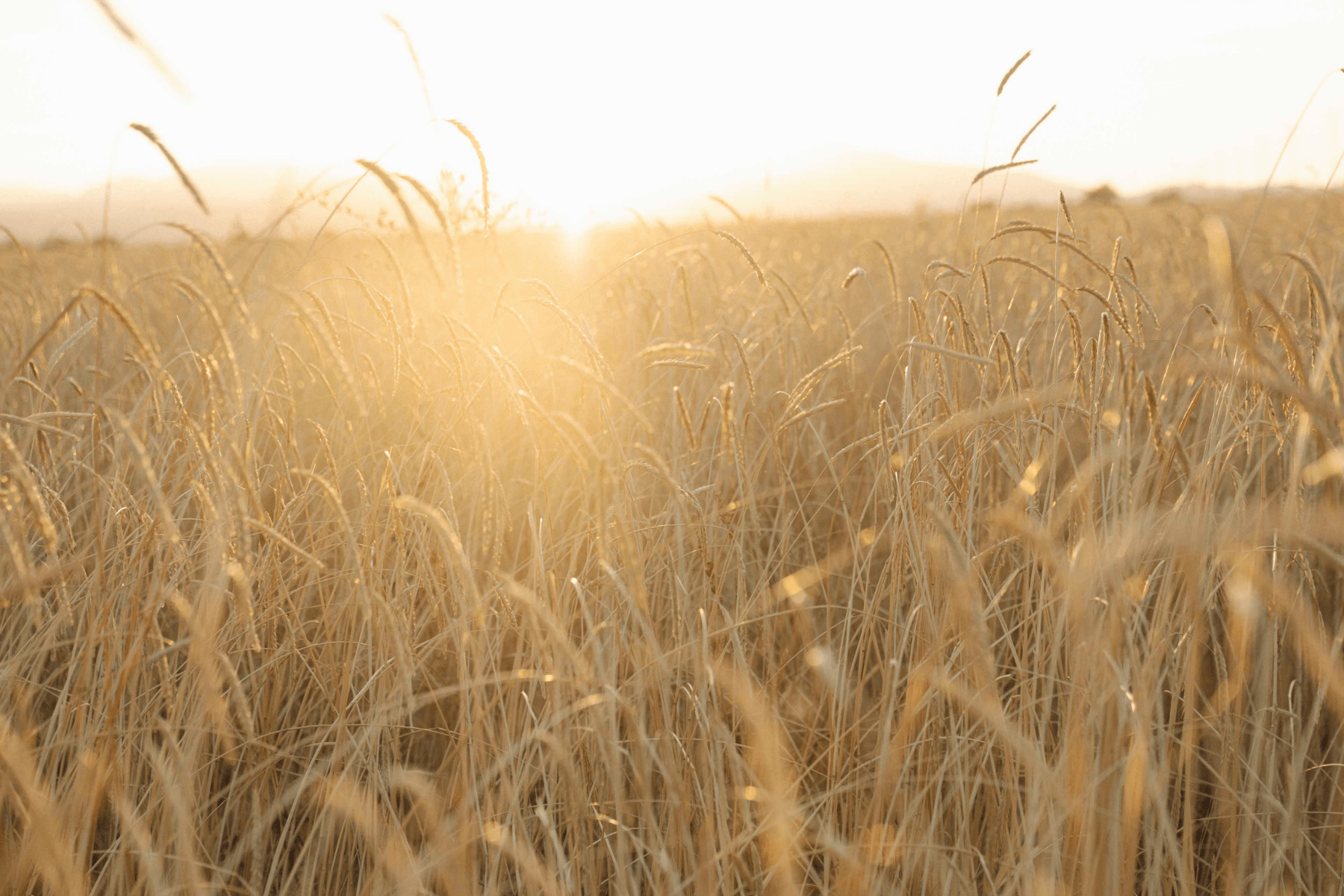
"The storm was headed for Tehachapi and Sherry Mandell was desperate to get her grain in. It was the first week of September 2026 and the winds that blow constantly across this high-mountain basin, about a hundred miles north of Los Angeles, lifted a sweet odor of sun-toasted cereals and straw and earth from her super-ripe fields. She was losing about five percent a week as the grain dropped from the stalks at the end of a hot summer, and now Hurricane Maria was boiling up the coast of Mexico, promising rain and high winds. It was too much.
`I was so stressed,` Mandell sighed. `But this is farming.`"
“A Tasty Revolution: Can Sherry Mandell and the Tehachapi Grain Project grow the future of farming?” By Dean Kuipers. Photos by Kevin Zacher. Video by Paige Meyer-Draffen.
Read more at the link in bio.
#grainful #tehachapigrainproject #regenerativeagriculture #farmtotable
🌍 NEW ARTICLE 🌍
"Step off the cracked, sun-bleached sidewalks of Albuquerque, off the dark, black parking lots radiating heat like lasers and walk into the Bosque, a forest that borders the Rio Grande River as it courses through the heart of the city.
Something shifts here. There is a micro-climate in the Bosque, along these banks, that does not exist anywhere else in New Mexico. It’s more humid, though not exactly the kind that poofs up hair and makes you sweat. But here in the arid high desert, where the air pulls moisture out of you before you’ve noticed it’s gone, the cottonwood corridor along the river feels like a different world. Alive in a way the rest of the landscape isn’t."
Read "What the River Carries" by Isabella Cabral in Red Canary Magazine. Photos courtesy Isabella Cabral. Video by Paige Meyer-Draffen. Link in bio
#RioGrande #NewMexico #Bosque #WaterQuality #EnvironmentalJournalism #ClimateReporting #Albuquerque #Conservation #CleanWater #RedCanaryMagazine
🌍 NEW ARTICLE 🌍
"The storm was headed for Tehachapi and Sherry Mandell was desperate to get her grain in. It was the first week of September 2026 and the winds that blow constantly across this high-mountain basin, about a hundred miles north of Los Angeles, lifted a sweet odor of sun-toasted cereals and straw and earth from her super-ripe fields. She was losing about five percent a week as the grain dropped from the stalks at the end of a hot summer, and now Hurricane Maria was boiling up the coast of Mexico, promising rain and high winds. It was too much.
`I was so stressed,` Mandell sighed. `But this is farming.`"
“A Tasty Revolution: Can Sherry Mandell and the Tehachapi Grain Project grow the future of farming?” By Dean Kuipers. Photos by Kevin Zacher.
Read more at the link in bio.
#grainful #tehachapigrainproject #regenerativeagriculture #farmtotable
🌍 NEW ARTICLE 🌍
Paige Meyer-Draffen interviews Piper Guinn on her story “The Great Texas Water Crisis.” Photos by Piper Guinn. Produced in conjunction with the Austin Free Press.
After years of drought and rapid growth, Corpus Christi faced a severe water shortage this year.
In “The Great Texas Water Crisis,” Piper Guinn examines what happened in Corpus Christi—and how Austin and other Texas cities are preparing for growing water challenges.
Read more at the link in bio.
🌍 NEW ARTICLE 🌍
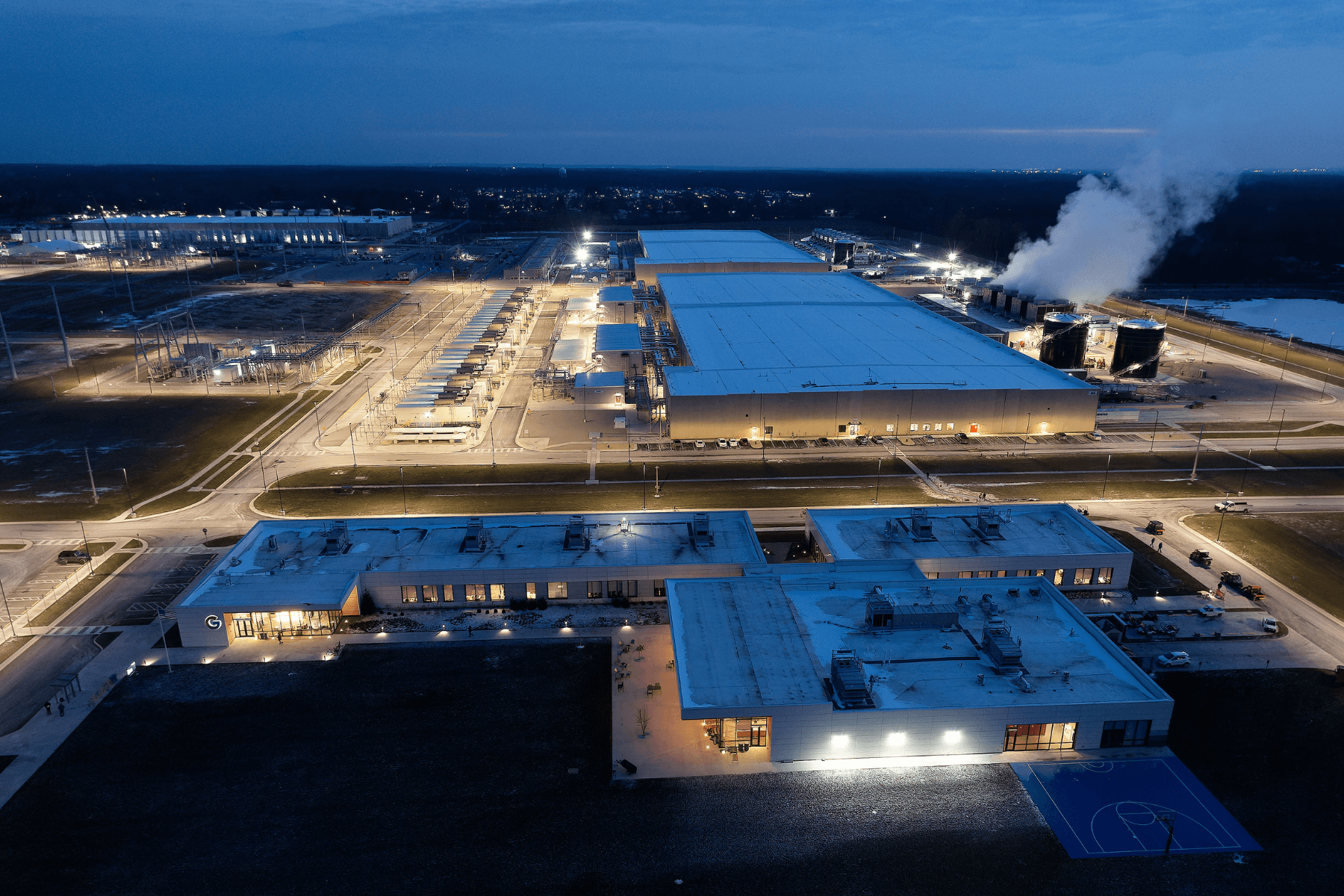
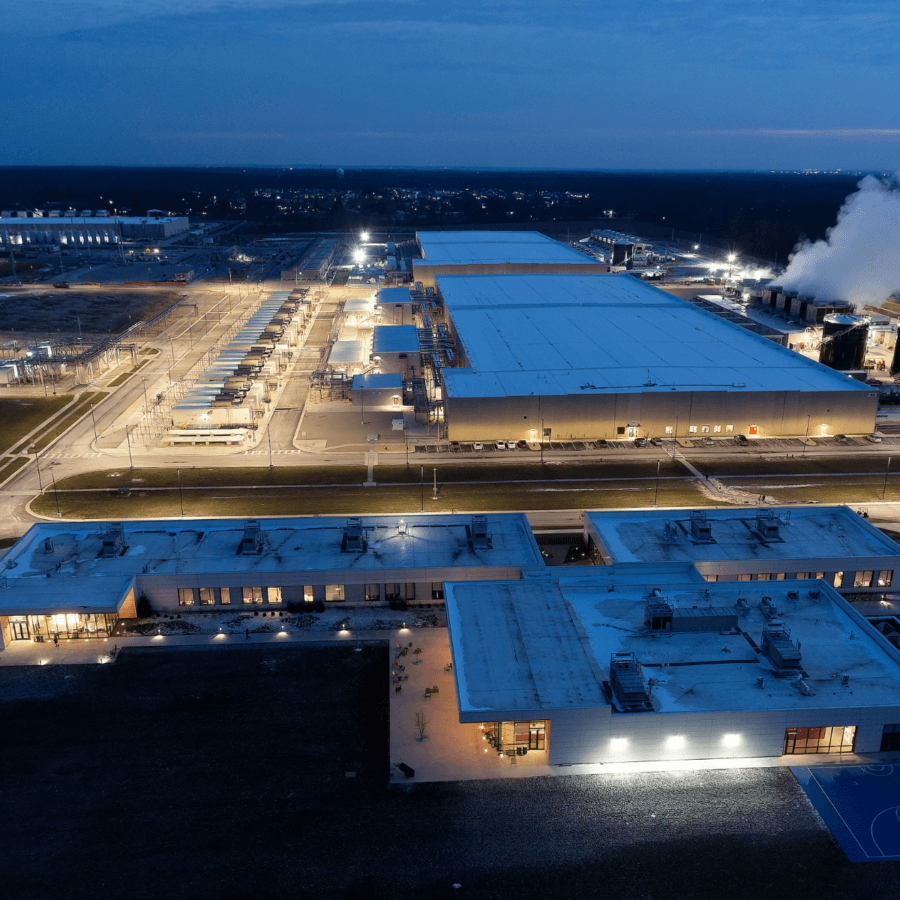
"A survey of residents of Pine Island and nearby townships found that more than 75 percent opposed the construction of a data center. That finding mirrors those reported elsewhere; a recent poll of Minnesotans found 63 percent of respondents were against a data center being built in their community. Nationally, a Gallup survey found seven in 10 Americans oppose constructing data centers for artificial intelligence in their area."
“To Hyperscale or Not to Hyperscale: Can data centers win over Minnesotans?” By Marianne Combs. Photos courtesy Google and Chad Davis. Video by Paige Meyer-Draffen.
Read more at the link in bio.
🌎 RSVP TODAY! 🌏
Please join us for an engaging discussion on: "Toxic Truths: How independent journalists are exposing industrial
pollution that corporations want hidden."
🍂 WHAT 🍂
Enjoy a free moderated panel discussion, healthy food and refreshments, and free parking at the venue.
🍂 WHEN 🍂
Thursday, Oct. 29th
5:30 p.m. – 8:00 p.m.
🍂 WHERE 🍂
UCLA Anderson School of Management Marion Anderson Hall
Crown Family Auditorium (3rd level)
110 Westwood Plaza
Los Angeles, CA 90095
Thank you to all who sent in their RSVP. We cannot wait to see you there!
There is limited seating, so RSVP today to secure one of our last spots. Link in bio!
🌍 NEW ARTICLE 🌍
"A survey of residents of Pine Island and nearby townships found that more than 75 percent opposed the construction of a data center. That finding mirrors those reported elsewhere; a recent poll of Minnesotans found 63 percent of respondents were against a data center being built in their community. Nationally, a Gallup survey found seven in 10 Americans oppose constructing data centers for artificial intelligence in their area."
“To Hyperscale or Not to Hyperscale: Can data centers win over Minnesotans?” By Marianne Combs. Photos courtesy Google and Chad Davis.
Read more at the link in bio.
🌍 NEW ARTICLE 🌍
After years of drought and rapid growth, Corpus Christi faced a severe water shortage this year.
In “The Great Texas Water Crisis,” Piper Guinn examines what happened in Corpus Christi—and how Austin and other Texas cities are preparing for growing water challenges.
Read more at the link in bio.
“The Great Texas Water Crisis” by Piper Guinn. Photos by Piper Guinn. Video by Paige Meyer-Draffen. Produced in conjunction with the Austin Free Press.
🌍 NEW ARTICLE 🌍
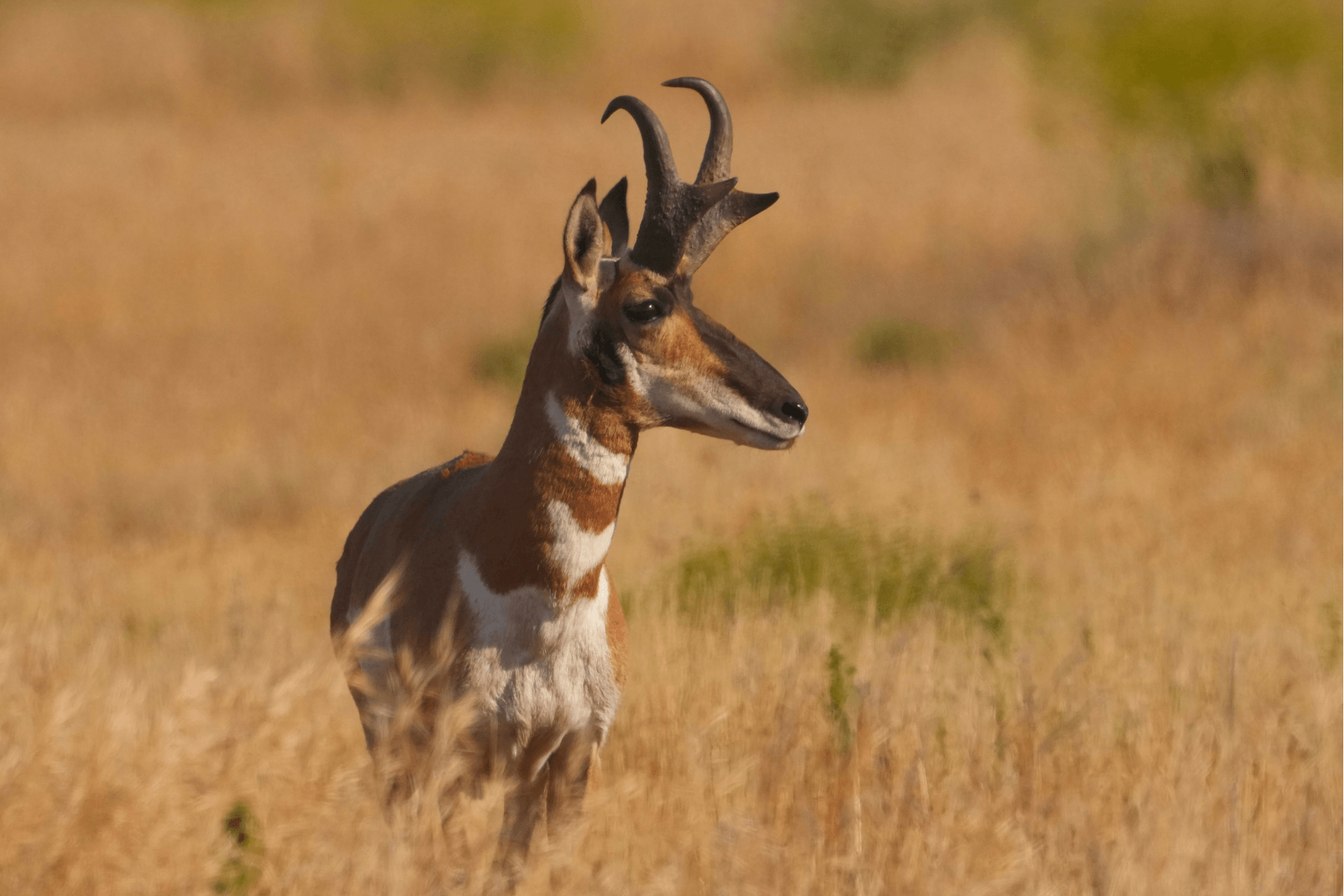
"Wolf No. 003F was a problem. In the fall of 2018, the female eastern timber wolf apparently didn’t think much of her new home at Michigan’s Isle Royale National Park. By winter, she had disappeared.”
"Wolf 003F was an adult, four years old and weighing 70 pounds, on the small side for her kind. She probably had bred a litter of pups by now. Wolf 003F and several more had been trapped on the Grand Portage Band of Lake Superior Chippewa Reservation as part of a National Park Service (NPS) project to move them to Isle Royale, 13 miles off the Minnesota shore. One wolf, a female, reacted badly to anesthesia in the transport and died; ultimately, three females and a male were released on the main island in September and October 2018. Wolf 003F, collared and tagged, with a distinctive black mantle on her brown coat, was one of the October arrivals.”
“Uneasy Peace: The future remains uncertain after decades-long attempts to manage wolves and moose on Isle Royale.” By Mark Neuzil.
Photos by Benjamin Olson, U.S. National Park Service, and Sarah Hoy, courtesy of the Isle Royale Wolf-Moose Project at Michigan Tech University.
Video by Paige Meyer-Draffen.
Background Music by Joe Donnelly.
Read more at the link in bio.
#IsleRoyale #Wolves #Moose #WolfConservation #WildlifeConservation #Ecology #Biodiversity #Rewilding #NationalParks #LakeSuperior #ConservationScience #WildlifeManagement #GreatLakes #RedCanaryMagazine #BenjaminOlson #MarkNeuzil #IsleRoyaleWolfMooseProjectMichiganTechUniversity
🌍 NEW ARTICLE 🌍
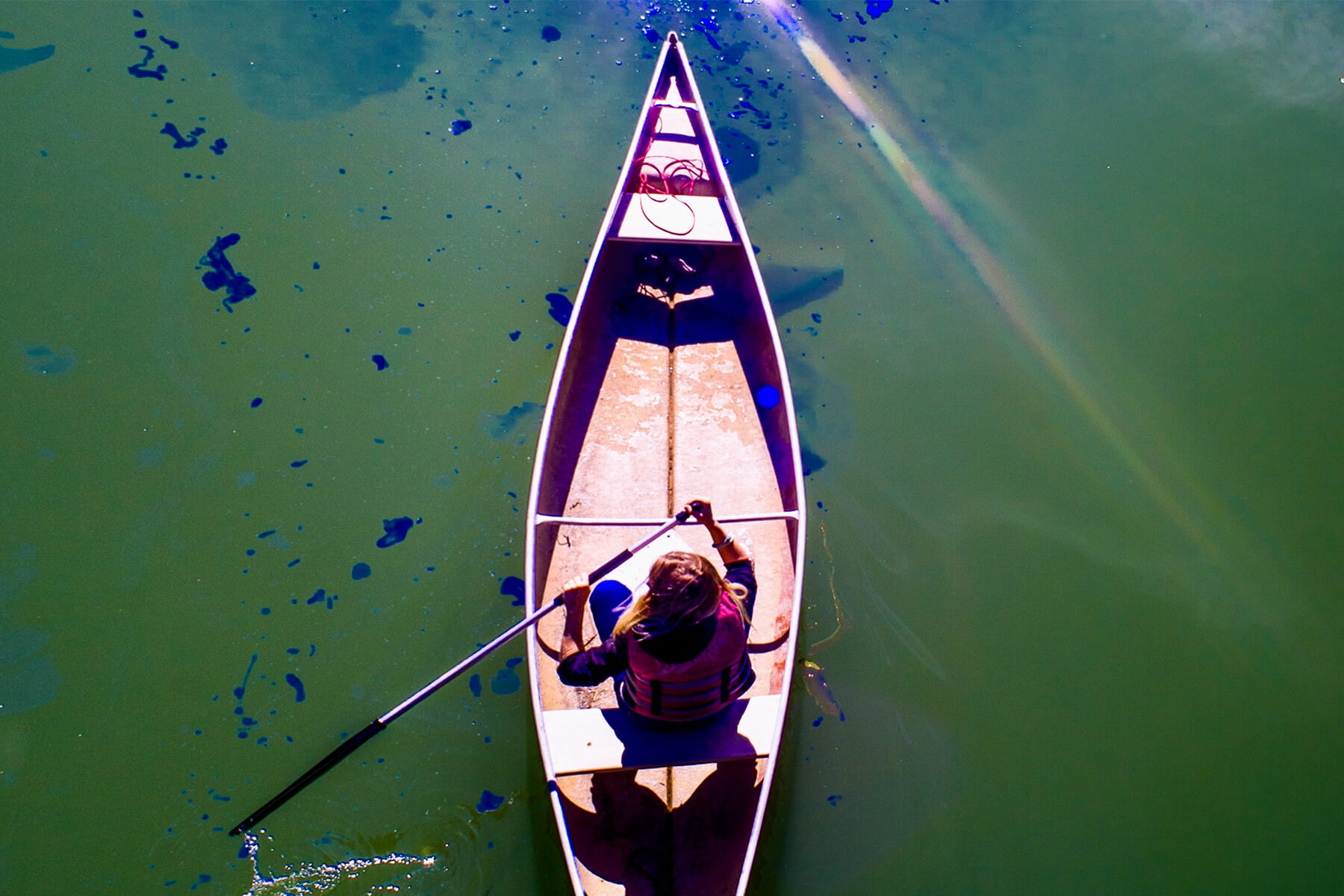
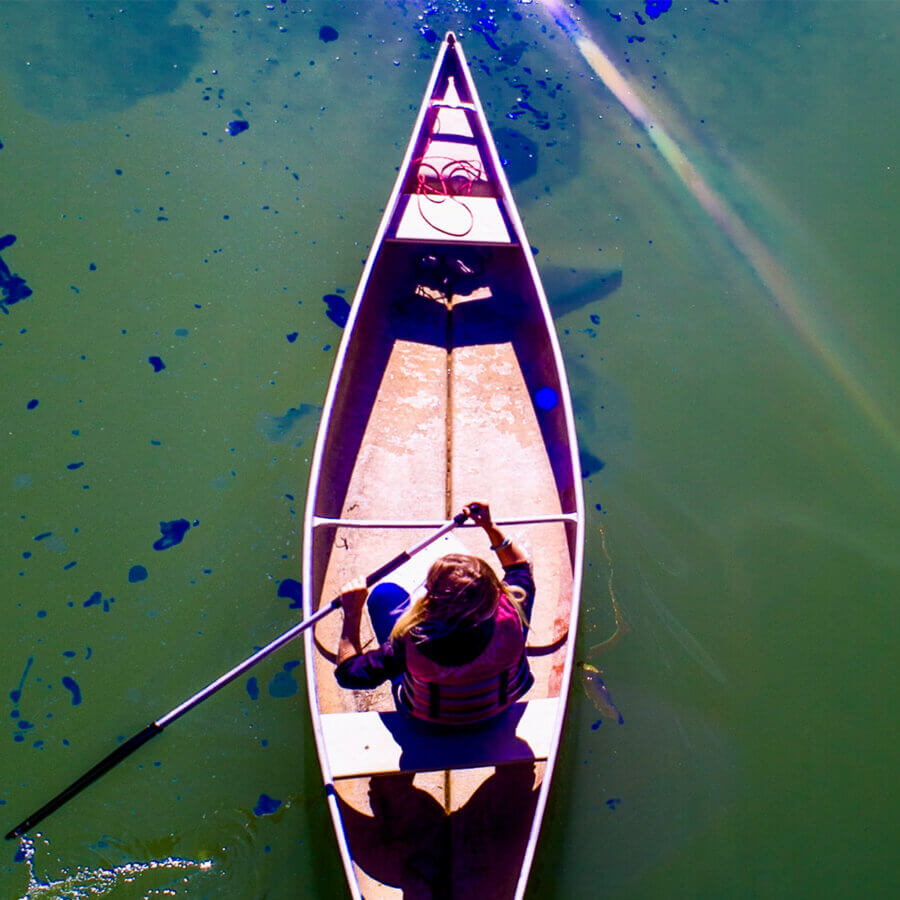
"Gary Francis put on disposable gloves, leaned out over the most famously polluted waterway in America, and filled sample bottles with cloudy canal water. “Enterococcus,” he said with enthusiasm, “is bacteria found in mammals. It’s used as an indicator of sewage contamination.”
The water samples will be delivered to a lab close by in New York City and the data added to burgeoning spreadsheets. Francis is not a scientist, and the group he belongs to—the Gowanus Dredgers Canoe Club—is not a government agency. But the Dredgers’ activism has been one of the many levers that have transformed Brooklyn’s 1.8-mile-long Gowanus Canal, which the group is named after, from a notorious toxic sludge into what had increasingly become a multibillion-dollar development zone and a body of water that optimists hope people may be able to swim in sometime the next decade."
"Hope Floats" By David Gray. Photos by David Gray. Video by Paige Meyer-Draffen. Read more at the link in bio.
#GowanusCanal #Brooklyn #Gowanus #NYC #EnvironmentalRestoration #UrbanRenewal #Sustainability #BrooklynNY #RedCanaryMagazine #DavidGray