
Heroes
Heroes
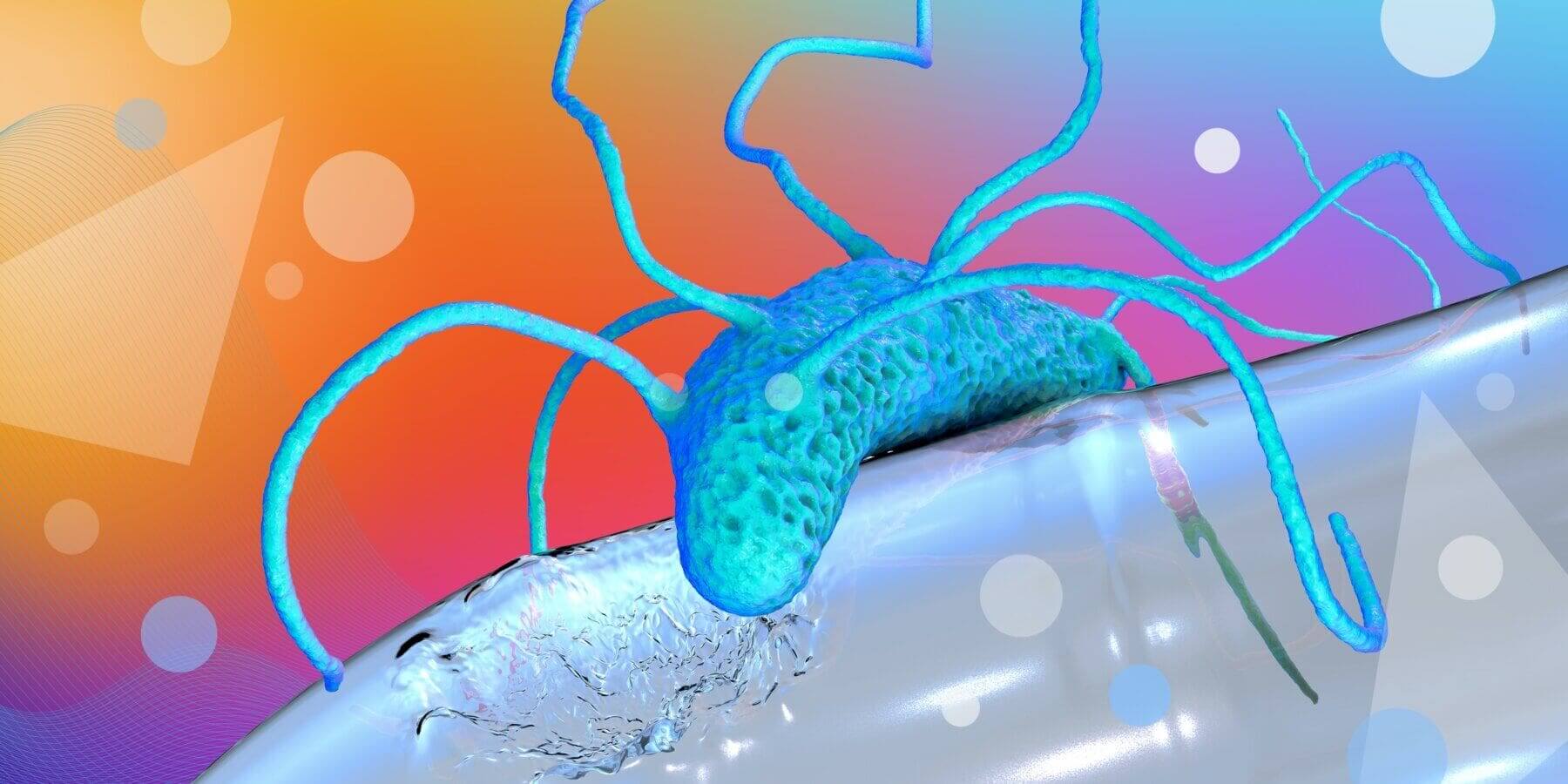
They are tiny heroes, so small and unassuming, organisms
comprised of a solitary cell with a tail of minute filaments,
only 1.2 to 1.5 microns, far smaller than a red blood cell,
so diminutive and yet voracious in their hunger, capable
of ferreting out the carbon locked in the polymer of molecules
that form a resin known as PET, or polyethylene terephthalate,
which first came into existence in the 1940s and has found its way
into most of human life—from clothing to tennis balls
to automotive parts to sleeping bags to the plastic bottles
racers jettison as the peloton emerges from feed zones
at the Tour de France, the same plastic we drank from
while crossing the salt flats in Utah in a summer long ago
or when we explored the streets of New York, Berlin,
Tangiers, and Tokyo, replenishing ourselves with water,
the way nearly one million bottles are purchased each minute
of each day, the equivalent of half a trillion plastic bottles
crowding landfills and polluting urban and rural landscapes
every year—with all of it eventually tumbling out to sea
to drift in the currents until they are gathered in a vortex
far out in the ocean, as in the Great Pacific Trash Vortex,
twice the size of Texas, and I am reminded that hunger
has a way of adapting to circumstance, that hunger serves
as an antecedent to the molecule, driver of amino acids,
proteins, lipids, structures that rise from the periodic table
as if summoned by the earth and sea in a desperate plea
to bring a chemical balance back into this world,
and of course with such a monumental task at hand
it must be done by the smallest among us, the bacteria,
Ideonella sakaiensis, which secretes an enzyme to break down
the polymers in ways we desperately wanted your own chemotherapy
to mirror within the chemical environment of your own body,
where such fierce heroes were needed, where medicine’s tiny messengers
were sent to kill the cancer that entered the breastbone and spread
throughout much of your skeletal system, the bones made porous by it,
your body filled with so much pain and ache and struggle, the cancer
sometimes blunted by variations of that pharmakon cocktail,
with a baseline transdermal patch of Fentanyl applied to the wingbone
of your scapula every three days, year after year, and this mixed
with variations of Abraxane, bumetanide, cephalexin, cefuroxime,
cyclobenzaprine, diazepam, diphenoxylate, dronabinol, exemestane,
gabapentin, hydromorphone, iron, lorazepam, letrozole, metaxalone,
metoclopramide, morphine sulfate, nitrofurantoin, the serotonin receptor
antagonist ondansetron, as well as oxycodone and oxycontin,
the aromatase inhibitor palbociclib, and potassium chloride, prednisone,
tamoxifen, tramadol—all of it swirling in your circulatory system,
your liver and kidneys working to process it every minute of every day,
the way I imagine the bacteria at work when it was discovered
in a Sakai landfill, in the Osaka prefecture, so new to the world
it had to be named, Ideonella sakaiensis, which thrives in plastics,
invisible to the naked eye and yet fast at work saving the world
one plastic bottle at a time, breaking the semi-crystalline structure
down to its constituent parts through the secretion of an enzyme
so that all of it might be made new once more, or returned to the body
of the earth in a form the earth might recognize as the sweet-tasting
organic compound ethylene glycol, liquid and viscous,
as well as another organic compound, terephthalic acid,
first discovered in 1846 by a French chemist, Amédée Cailliot,
as an extract from turpentine, which is harvested from living trees,
from gum and pine wood forests of terebinth, Aleppo pine,
Sumatran pine, longleaf and loblolly, balsam and larch, trees
that could never have imagined what human curiosity and need
might do to them, the transformations they would undergo
to see the vision through, as well as this partial return, the bacteria
making it so, breaking down each bottle as if reversing history
at the molecular level, undoing the molecular chain to manifest the world,
as this bacterium, this new hero for our age, arrives with a hunger
that will not be sated, nor slowed in any way by the sheer scale
of the mountains we build—every minute of every day on Earth.
In our ECO LIT series, Red Canary Magazine dedicates space for established writers and emerging voices to imagine better ways of being.
Help us sustain independent journalism...
Our team is working hard every day to bring you compelling, carefully-crafted pieces that shed light on the pressing issues of our time. We rely on caring supporters like you to help us sustain our mission. Your support ensures that we can continue to provide deeply-reported, independent, ad-free journalism without fear, favor or pandering. Support us today and make a lasting investment in the future.

RELATED STORIES


Award Winning



Today’s environmental and social justice challenges are unprecedented, and require an unprecedented collective effort.


Stay updated on our latest features, events and more. Subscribe to our Note From the Nest newsletter!
