
Making the Invisible Visible
Photographer Shannon Aguiar, whose work is featured in Red Canary Magazine, including a photo essay documenting the changing California coastline,” and has provided visual compliments to other articles or poems, has a knack for capturing the environmental and cultural moment. Aside from Red Canary, her work has appeared in Pasadena Magazine, Los Angeles Magazine, OC Weekly, and the Tokyo Journal, always with an eye for the indelible impression that will put the audience in the middle of the action. Her photos are as much about the spirit of the subject, event, person, or place as they are about bearing witness.
I sat down with Aguiar (over Zoom, in prime Gen Z 2020s fashion) to talk about her photography, what inspires her, and how to get the shot you just can’t unsee.
The conversation below was edited for length and clarity.
What drove you to start documenting the world through the camera’s lens?
My first big camera purchase was — I mean, I hate this story — but unfortunately, the camera purchase was for social media to take pictures of myself for modeling.
I ended up leaving [modeling] and had this big, beautiful camera sitting on my shelf for about a year. Then I went back to Whittier College and I applied for the campus magazine, WC the Rock, when they were looking for a photographer. That’s really where it started, especially with photojournalism. I started going out to photograph events and students.
At that point, I already had a pretty solid art background. I’ve been a painter and sculptor since I was younger. It kind of came naturally and I just got hooked.
Was there a transition from that, to doing your own art and photography, which you started doing while in school, if I remember?
The 2018 Woosley fires in Malibu were really interesting to me, and I really wanted to see what it actually looked like as it was happening. The big fireball photos were really compelling, but I also wanted to see the aftermath of it.
It was probably not very smart, but I started to chase down those fires while they were active. First, it was Malibu. Then, there was one down the street from Whittier [College], and a few others. That’s when I really went from assignment to, ‘I’m gonna chase down my own stuff.’
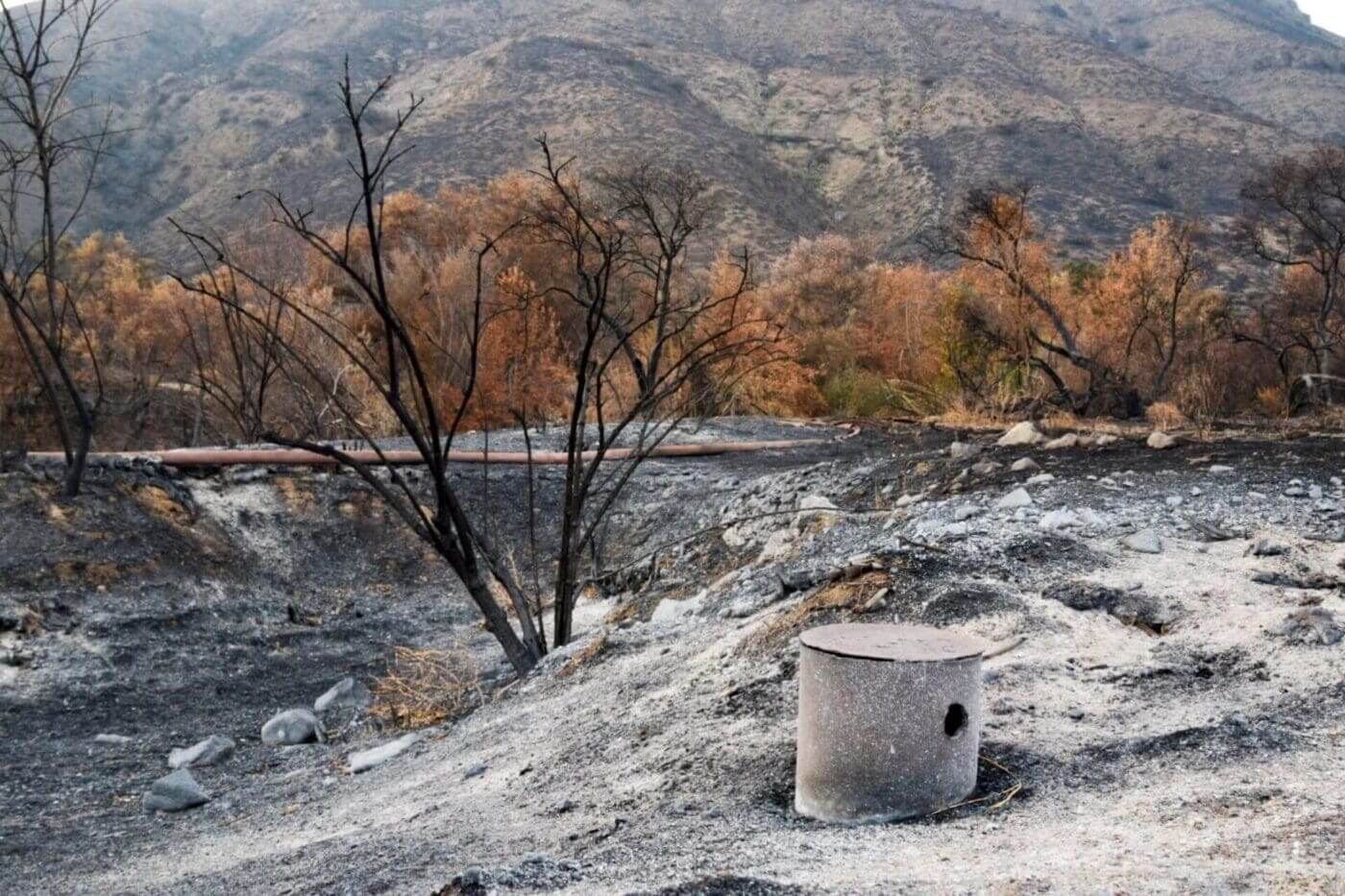
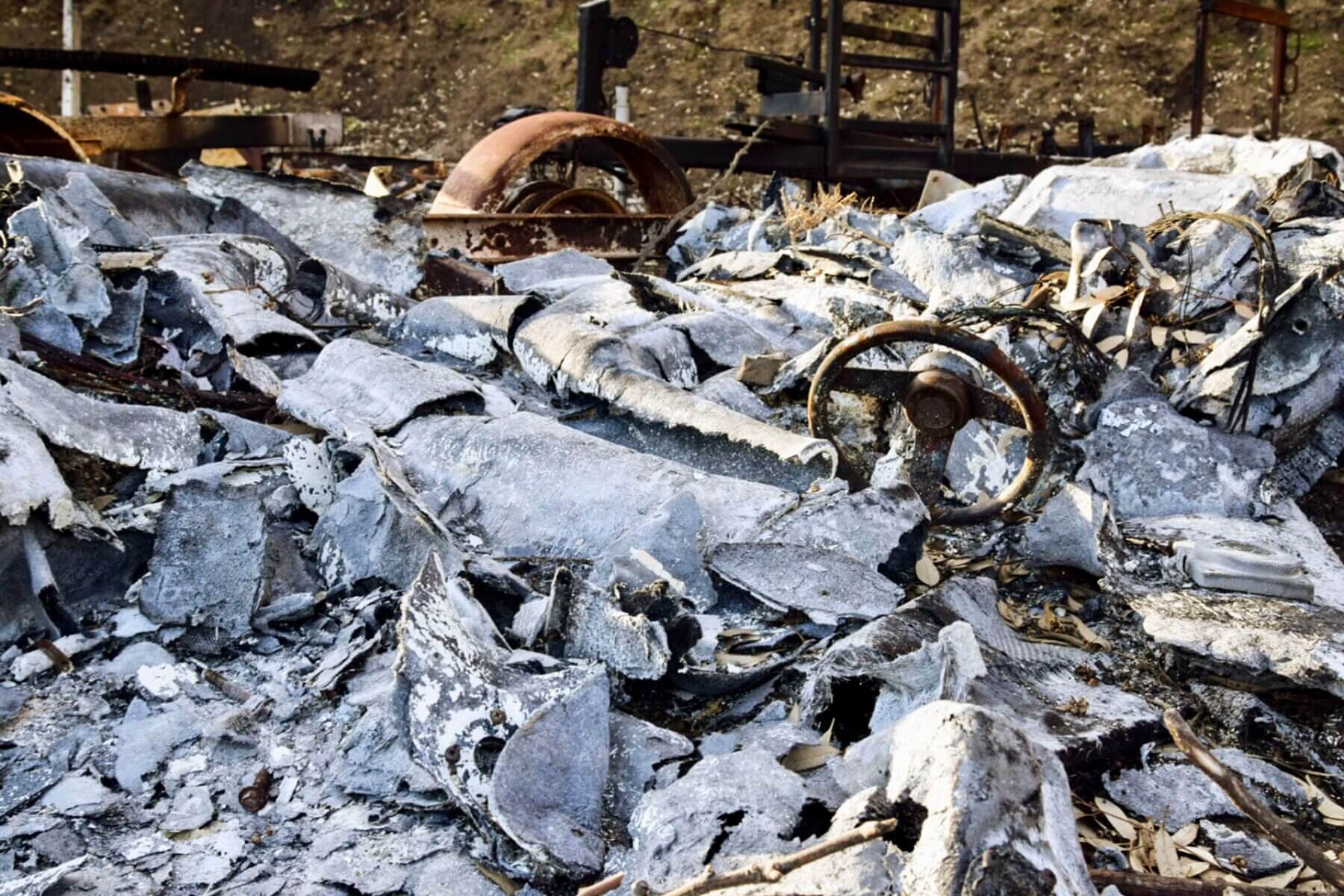
The aftermath of the Malibu Canyon Woolsey fire. Photos by Shannon Aguiar.
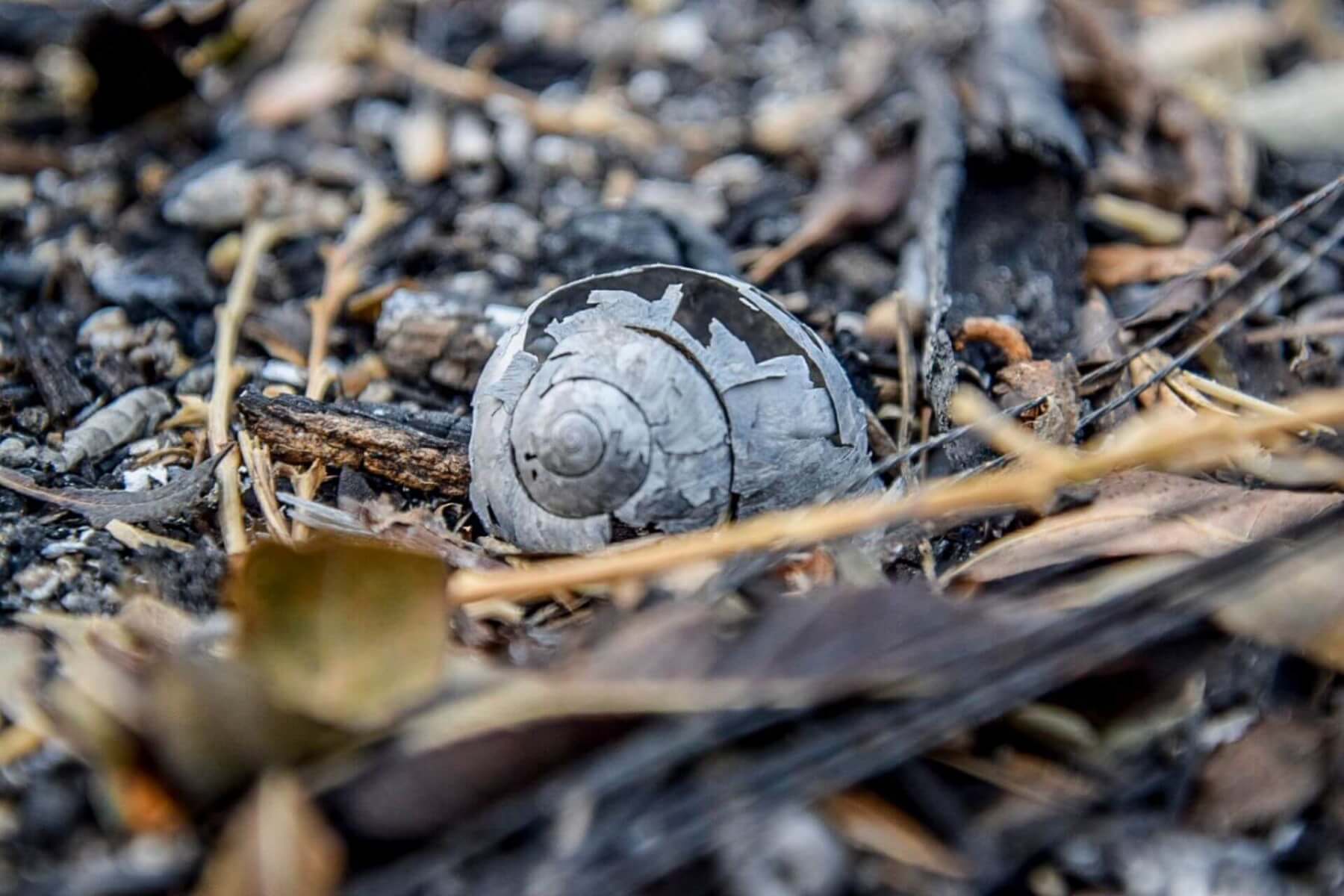
The aftermath of the Malibu Canyon Woolsey fire. Photos by Shannon Aguiar.
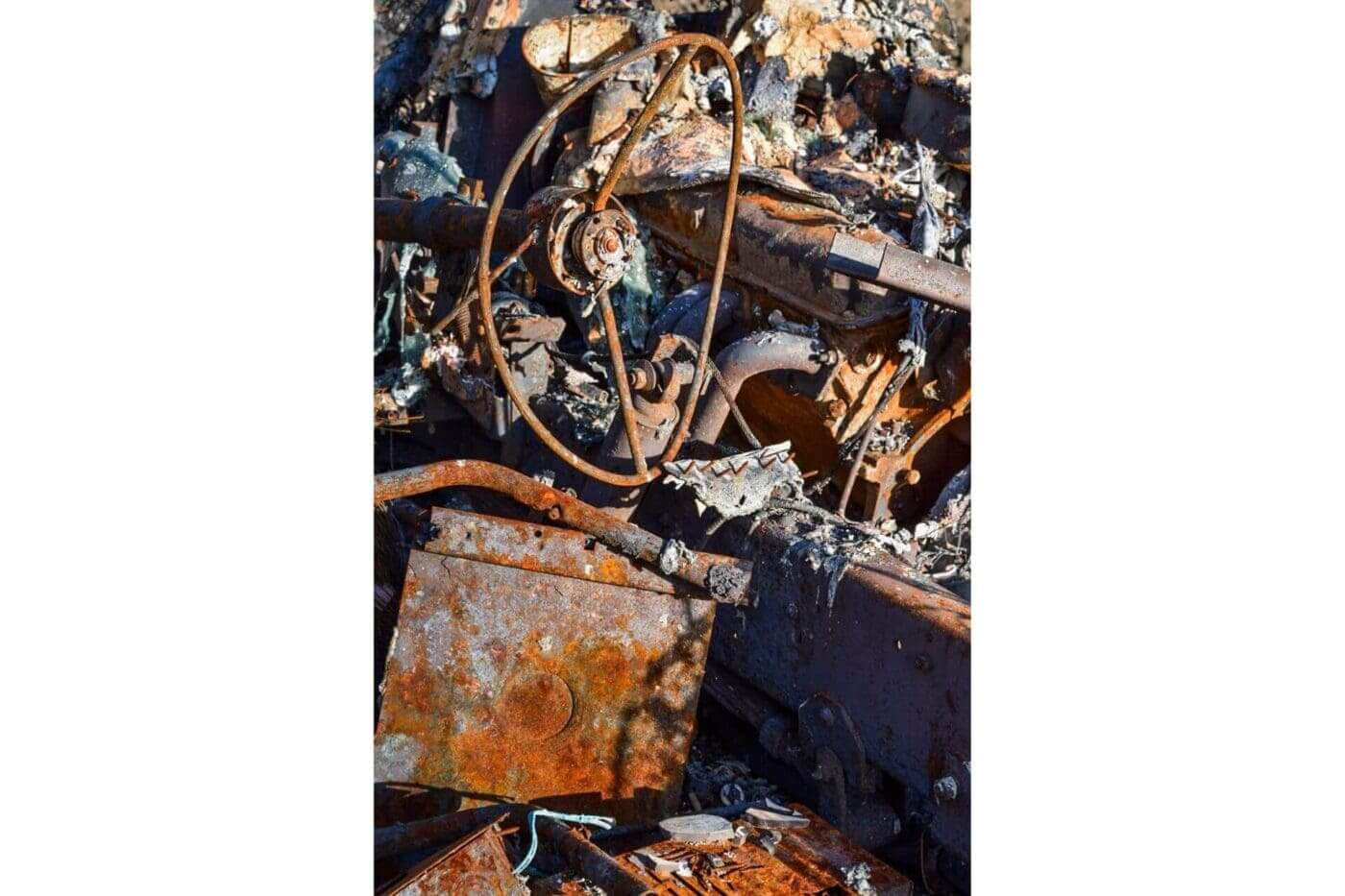
The aftermath of the Malibu Canyon Woolsey fire. Photos by Shannon Aguiar.
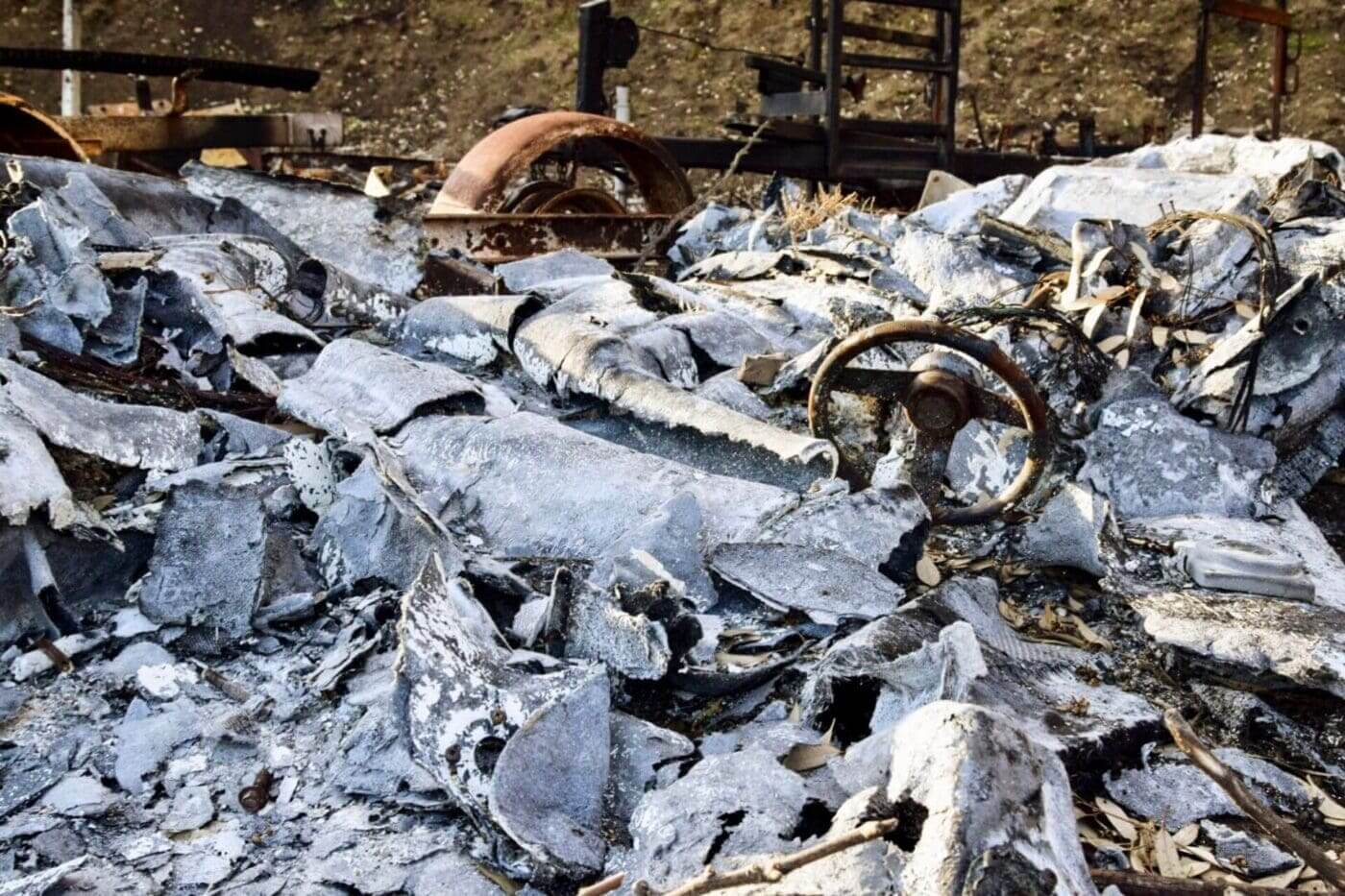
The aftermath of the Malibu Canyon Woolsey fire. Photos by Shannon Aguiar.
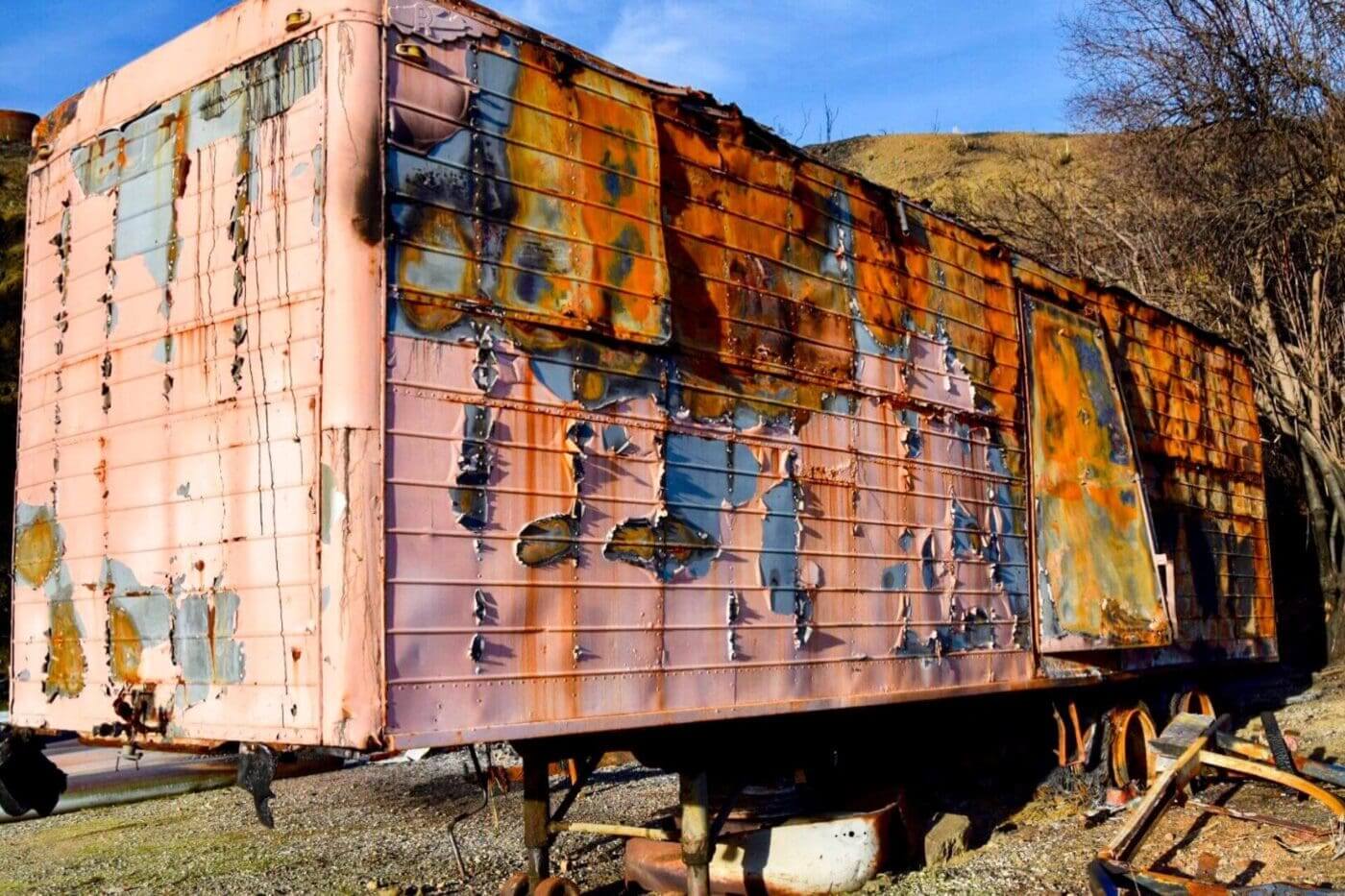
The aftermath of the Malibu Canyon Woolsey fire. Photos by Shannon Aguiar.
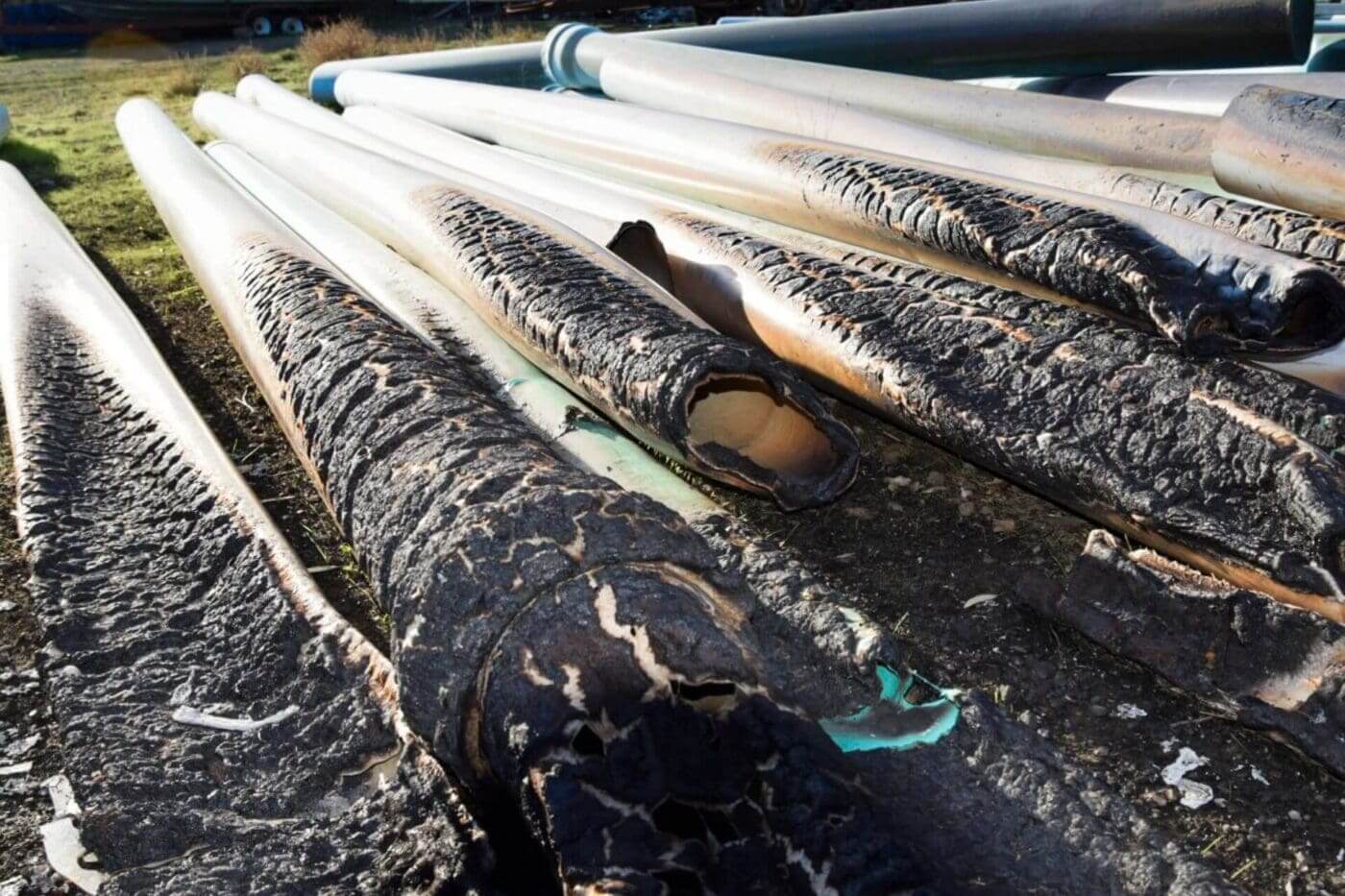
The aftermath of the Malibu Canyon Woolsey fire. Photos by Shannon Aguiar.
I started to reach out to magazines, like Tokyo Journal, and that gave me access to photograph different celebrities. I realized that I had an in here to photograph things that other people can’t access.
I’m crossing fire lines. I’m going to the front row of the concerts. I’m going to the exclusive events. I can show people what that looks like even though they may never experience that, and I think that’s really exciting.
Why were you so compelled by the fires?
I don’t know if attract is the right word, but I have always been attracted to the image of devastation because I think it’s something that we can all look at and feel. With the fires, it’s not just the burnt landscape. Once you look up close, you see the little snail shell or the can or the teacup or, the freaking water heater. Of all the crap in the house, the only thing left standing is someone’s water heater. I paint the story in my head of the homeowners having to repair that for years. They come back and there’s nothing but that stupid water heater.
I think it’s the relatability of the potential of devastation and understanding that the potential is real.
When you took those photos for that Malibu fire, did you do anything with those photos? Is that when you started approaching magazines?
I took them mostly for me and my website. I was trying to build a portfolio so I could submit to magazines. I hadn’t really approached anyone yet, but I did get introduced to [renowned Los Angeles-based photographer] Ted Soqui by Donnelly [Red Canary editor and Joe Donnelly].
I remember talking about the fires, and Donnelly being worried about it. I think I raised my hand to say, ‘How do I get on the back of the fire truck?’ And he’s like, ‘What are you talking about?’
You’ve also taken foodie photos and shot surf shapers and musicians and things on the more commercial side. It’s a portfolio that betrays broad interests, but is there something you really like going after?
After I left modeling and came back to college, I pretty much didn’t socialize with anyone. It was a hundred percent the photography. I filled like 12 hours a day with it.
I was skipping class to go places and photograph. So, I started to reach out to magazines and did internships at Los Angeles magazine, OC Weekly, Pasadena Magazine, and Tokyo Journal. I was just taking any opportunity possible, including [photographing] food, which is not my favorite thing to do.
I wanna take a picture of something unique that can’t be replicated — somewhere that someone can’t sit and go, “Ah, I could take that.”
But, there’s this balance between the things that pay and the things I like to photograph, right? The food, the portraits, and, the sports stuff — a lot of the stuff that I don’t put on my website — is what actually makes money.
And then the stuff that’s more fascinating, and I just have to find time to chase it. I wanna take a picture of something unique that can’t be replicated — somewhere that someone can’t sit and go, “Ah, I could take that.” Well, maybe you can’t, because you can’t get past the fire line, or sit in the front row to see your favorite performer. If I can show people that and give them access to those moments, I think that’s really cool because I would want to know what it looks like up there, too.
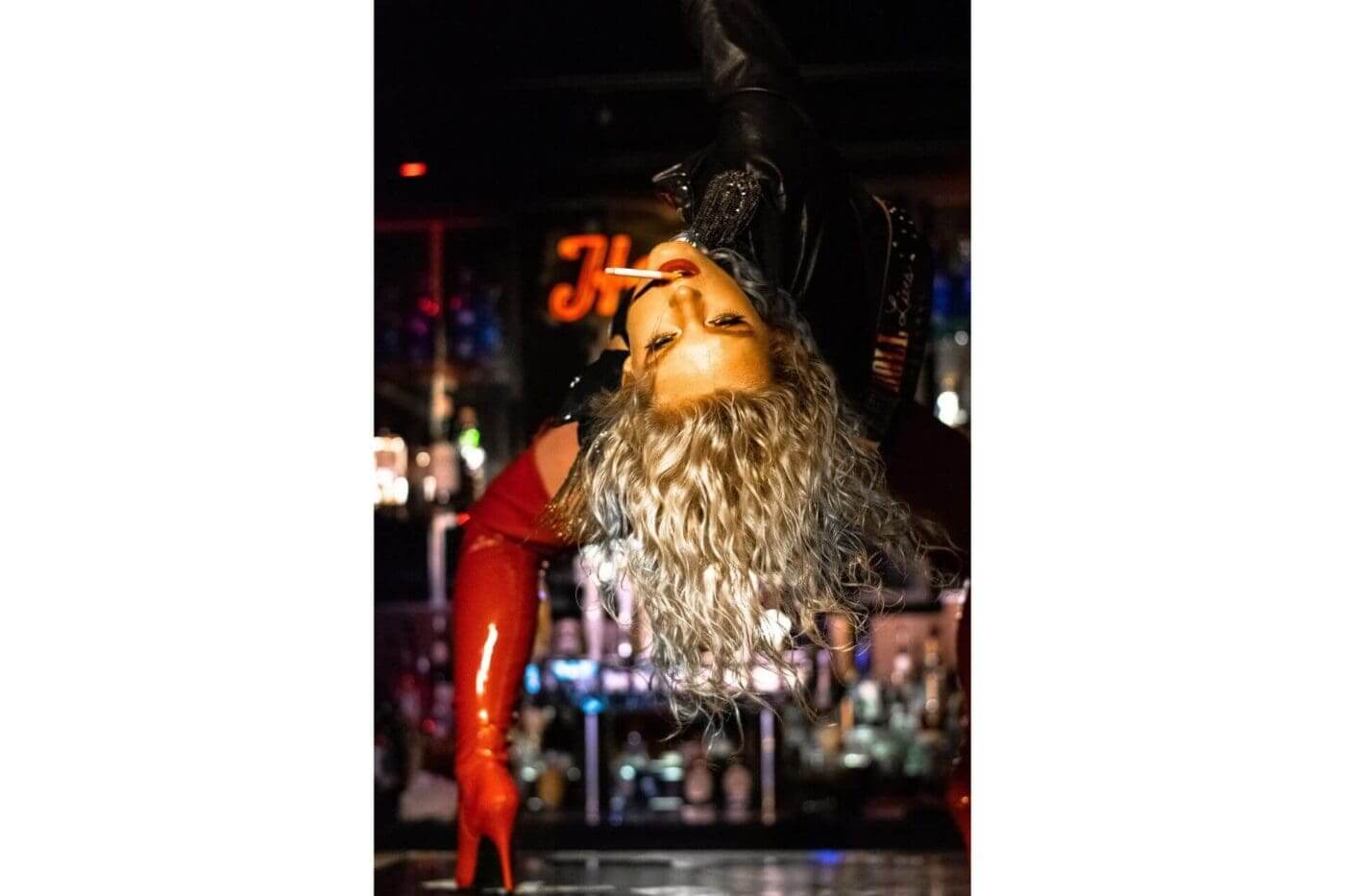
Cherry Boom Boom’s Rock N’ Roll A Go Go. Courtesy of the OC Weekly. Photo by Shannon Aguiar.
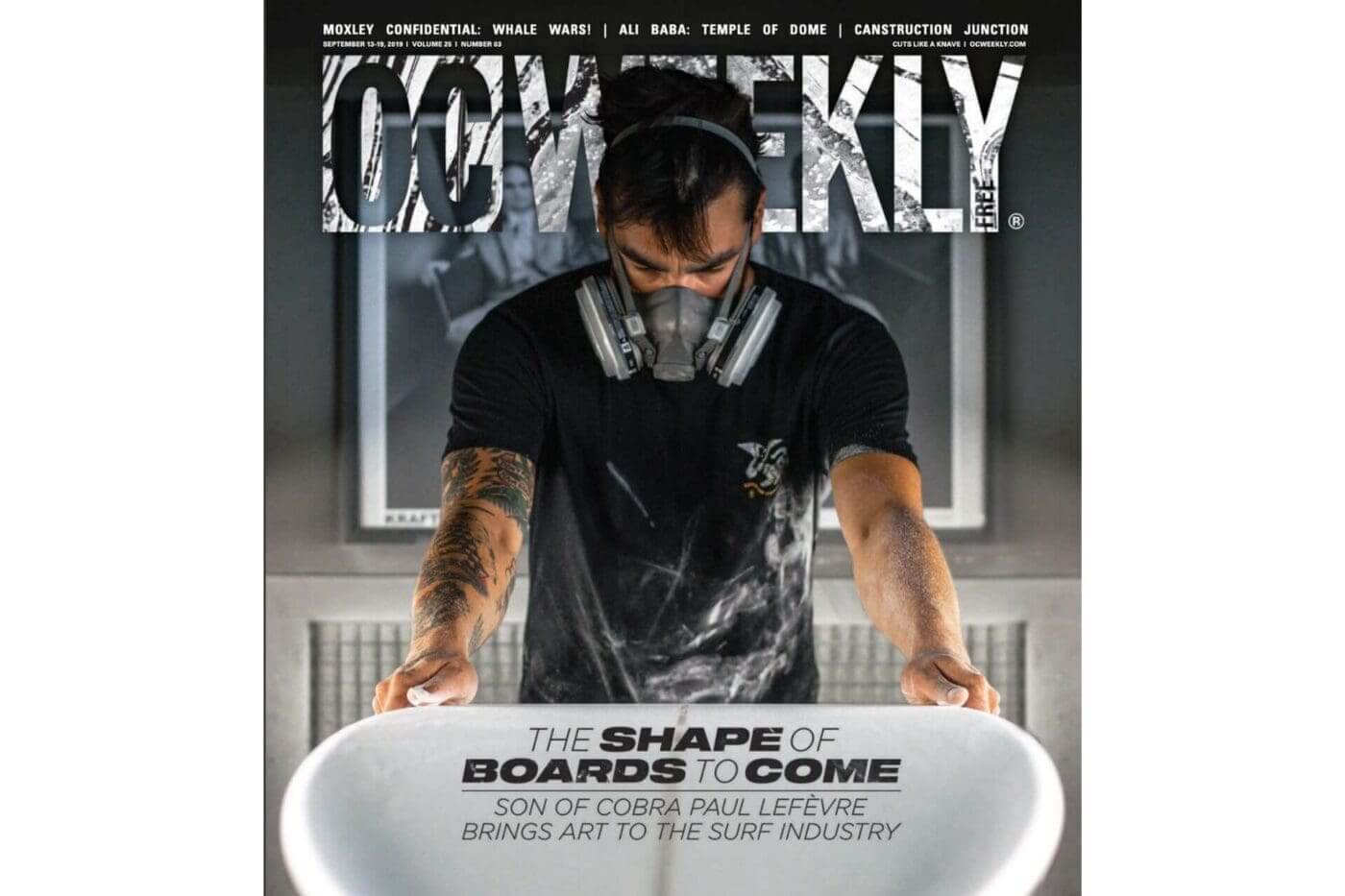
Paul Lefevre a.k.a., Son of Cobra at work creating one of his custom surfboards. Published cover in the OC Weekly. Photo by Shannon Aguiar.
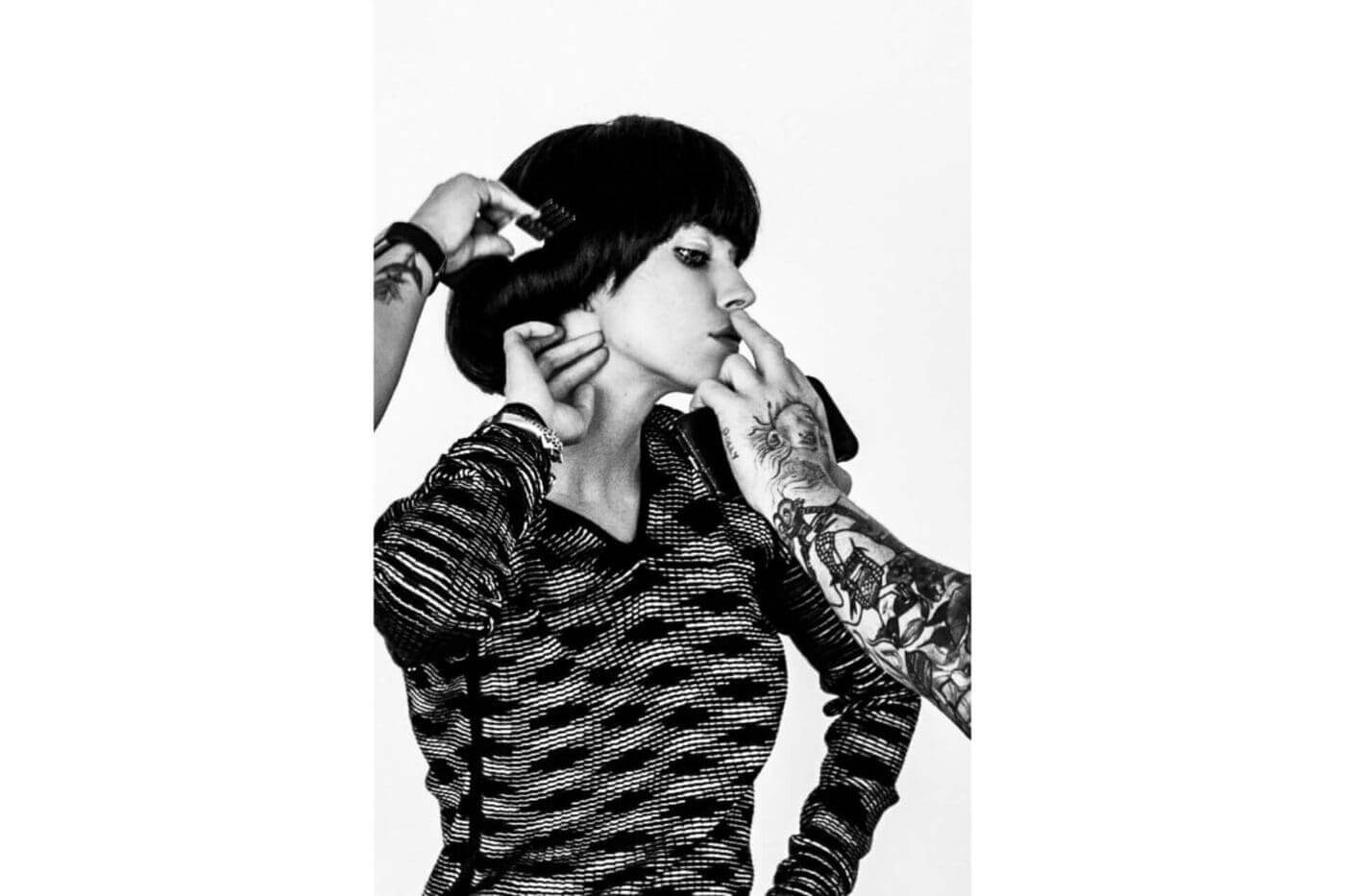
Behind the scenes of an editorial shoot for Los Angeles Magazine. Photo by Shannon Aguiar.

Lindsey Sterling at the Orange County Fair. Courtesy of the OC Weekly. Photo by Shannon Aguiar
Do you think that part of that passion for photography comes from being on the other side of the camera during your modeling days?
That’s the story that my mom likes to tell. But, to be quite honest, they were always so separate. I’ve always been so deep into my interest in art before I’d been in modeling.
I don’t think there was any like, ‘I was in front of the camera, now I wanna be behind the camera’ moment. But I think it’s a great narrative.
You have a lot of those moments in your photography, the shots that speak volumes. Do you have a strategy for capturing them?
Something a lot of photographers have said to me, that I agree with, is to take a ton of photos. I’m sorting through at least a thousand [photos] per subject, and I’m only going to pick like three or four.
There’s a lot that happens subconsciously that I really can only put in words once I look at the photo afterward. I’m just shooting. Afterward, I look back and I realize I do know what I’m doing.
Do you think that’s, in part, due to your background in art and having an eye for lighting, composition, and things like that?
I don’t like to give the modeling a lot of credit, but if I wanna be honest, being on a set every day for five years, you gain a lot of experience, even if you’re just the one standing there. I feel like I absorbed a lot of the lighting, photography, and setup.
I think a lot of it is taking inspiration from other professionals and then also taking enough photographs where it’s like I can sort through the bad ones and know when I’ve caught that moment. I feel like the one that I think is the best one while I’m taking it is almost never the one I pick.
Could talk about the process you went through to get the shots for the Coastal Erosion piece, track the climate-based changes to California’s coastline?
I looked at iconic archival images online to see what the coastline looked like before and then tried to do everything I could to get those photos. I had everything printed out in a big packet, and I had a friend who came with me and we tried to figure out exactly where the photographer might have been standing.
Then, I would evaluate the equipment and see if I could get something close to what they were doing and try to replicate it exactly that way so you could see that certain parts of the cliffs or mountains were farther back or certain structures weren’t there anymore, or there were new structures.
Then I went through the editing process and tried to find and match up as close as possible and overlay some of the images on top of the old ones to get as close as possible to those older ones.
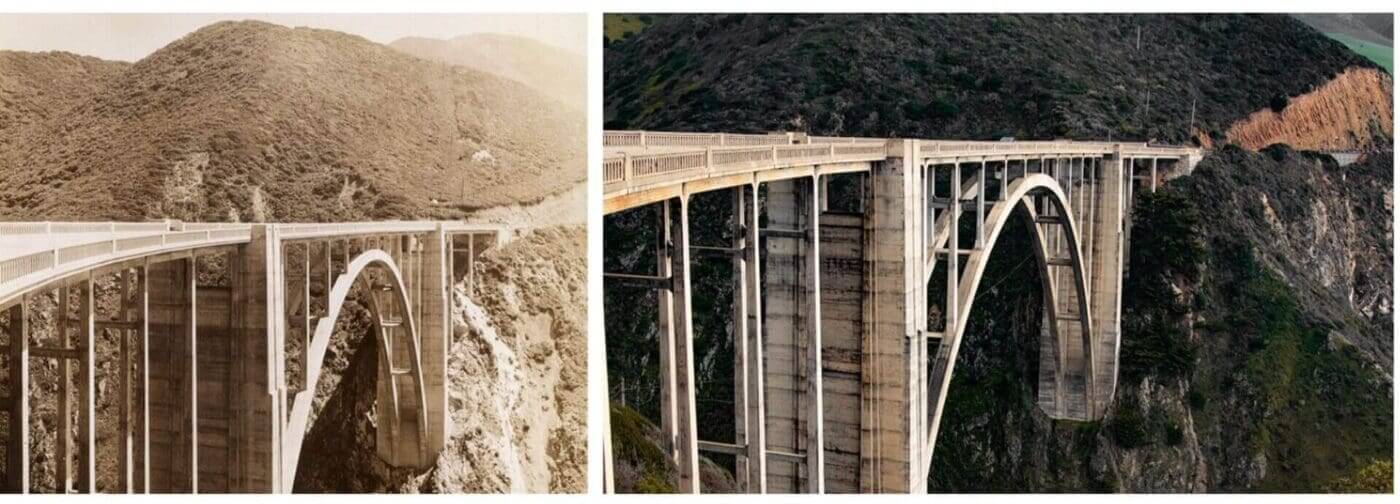
The Bixby Bridge structure, photographed from the North. (left) Courtesy of Chronicle, 1935. (right) Photo by Shannon Aguiar, 2021.
Photo set from “Coastal Erosion.”
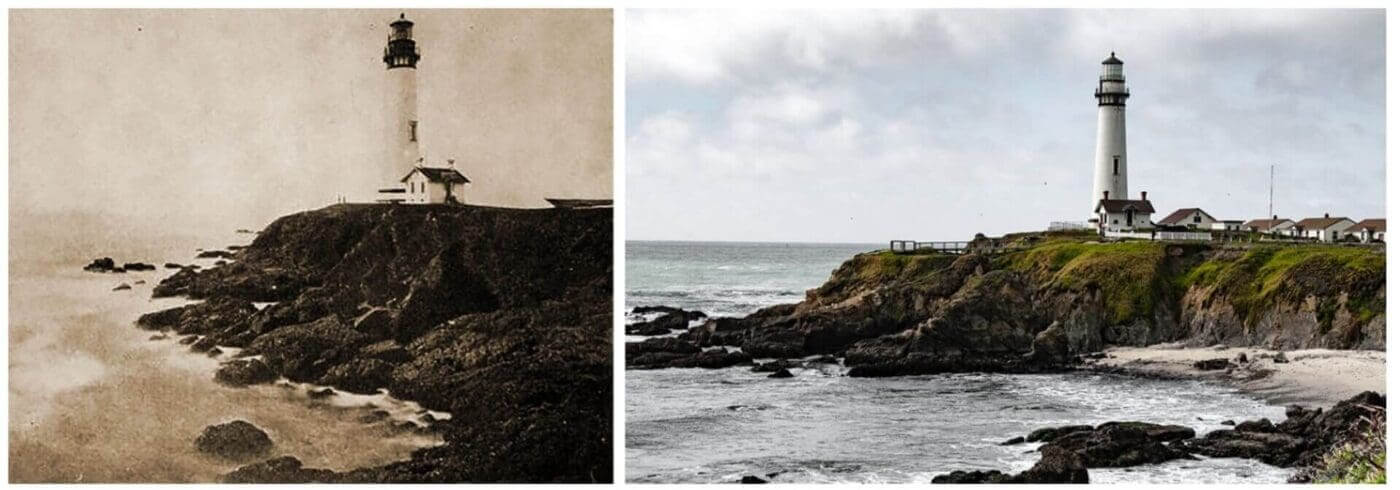
The Pigeon Point lighthouse. (left) Courtesy of Colin Walters, 1923. (right) Photo by Shannon Aguiar, 2021.
Photo set from “Coastal Erosion.”
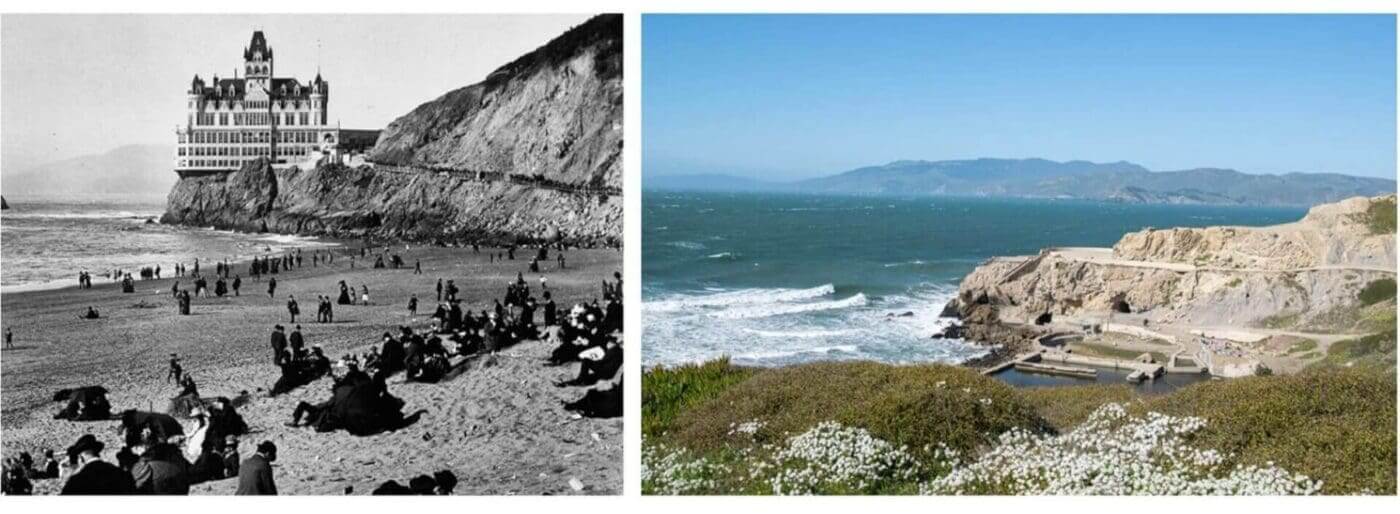
Sutro Baths at Lands End and Cliff House, an area no longer available to the public. (left) Courtesy of Niday Picture Library, 1902. (right) Photo by Shannon Aguiar, 2021.
Photo set from “Coastal Erosion.”
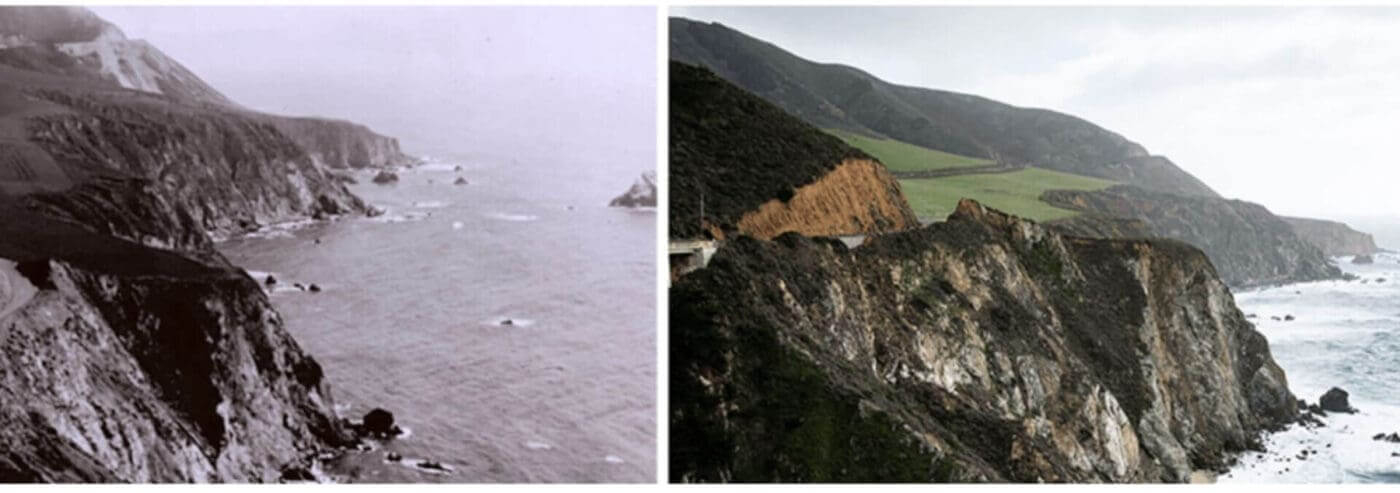
The Bixby Creek coastline, photographed from the North. (left) Courtesy of WikiCommons, 1932. (right) Photo by Shannon Aguiar, 2021.
Photo set from “Coastal Erosion.”
Do you have any specific things you keep in mind while editing your photos?
I really try to go for as clean of a photo as possible. It has to look realistic. If I had to describe it, I would use the term uncanny valley. The colors aren’t crazy, but there’s something just a little amplified in each of the photos that make it just a little more eye-catching.
I will bump up colors on certain things to emphasize what I saw.
There are these photos that I did of these burlesque dancers for the OC Weekly. There was this one shot where I caught a dancer standing upside down with a cigarette in her mouth. Her hair was perfect. And I thought: ‘How can I make people see everything I saw here? What were the things that I saw while this was happening?’
The color red was really important, so I really amplified the reds to a realistic tone. So they were higher than maybe some of the greens or browns. Blues are usually a performance color to me in terms of lighting, so I amplified the blues a little bit. Other than that, I really am light on the retouching. I really don’t like to change what’s going on.
You can’t turn a blind eye to a photograph. Once you’ve seen it, you’ve seen it. You can’t unsee it.
How does environmentalism inform your photography, from shooting devastating fires to documenting eroding coasts?
I really do have a genuine passion and care for the environment. And though I’m pretty cynical about our future and, unfortunately, very realistic about our future, I feel like a lot of people are able to just turn a blind eye, whether that’s coping or just not caring. But, you can’t turn a blind eye to a photograph. Once you’ve seen it, you’ve seen it. You can’t unsee it. Making the invisible visible to people is really important. You’re never going to see the coastline erode in real-time. Most people are never gonna stop and take two seconds while they’re driving down the beautiful coast to think about that and ruin their trip.
Like the fires, as well. Those are pretty devastating photos. I’m not religious, but they have this Biblical, post-apocalyptic feel to them. And I think confronting people with those images can be really impactful. I definitely have a passion for kind of forcing people to see what’s going on, but also being able to see how beautiful it is at the same time.
Help us sustain independent journalism...
Our team is working hard every day to bring you compelling, carefully-crafted pieces that shed light on the pressing issues of our time. We rely on caring supporters like you to help us sustain our mission. Your support ensures that we can continue to provide deeply-reported, independent, ad-free journalism without fear, favor or pandering. Support us today and make a lasting investment in the future.
RELATED STORIES


Award Winning


Today’s environmental and social justice challenges are unprecedented, and require an unprecedented collective effort.


Stay updated on our latest features, events and more. Subscribe to our Note From the Nest newsletter!
